


In the vibrant world of textile innovation, the question "Can digital foil be used on fabrics?" is not just relevant but also holds the key to unlocking new frontiers in design and functionality. As a digital foil supplier deeply immersed in this industry, I am excited to explore this topic with you, shedding light on the possibilities, challenges, and potential applications of using digital foil on fabrics.
Understanding Digital Foil
Before we delve into its application on fabrics, let's first understand what digital foil is. Digital foil, also known as Digital Print Foil, is a versatile material that combines the precision of digital printing technology with the aesthetic appeal of foil. It consists of a thin layer of metallic or holographic film that can be precisely transferred onto various substrates, creating stunning visual effects. Unlike traditional foil stamping methods, which require expensive dies and are less flexible in terms of design changes, digital foil allows for on - demand, high - resolution printing with a wide range of patterns, colors, and finishes.
Feasibility of Using Digital Foil on Fabrics
The short answer is yes, digital foil can be used on fabrics. However, several factors need to be considered to ensure a successful application.
Compatibility with Fabrics
Not all fabrics are suitable for digital foil application. The fabric's composition, texture, and surface energy play crucial roles. Natural fibers such as cotton, silk, and wool can generally adhere well to digital foil, provided that the fabric has been pre - treated if necessary. Synthetic fibers like polyester and nylon also work, but may require different application techniques to achieve optimal adhesion. For example, fabrics with a smooth surface tend to provide better results as the foil adheres more uniformly compared to highly textured or porous fabrics.
Application Methods
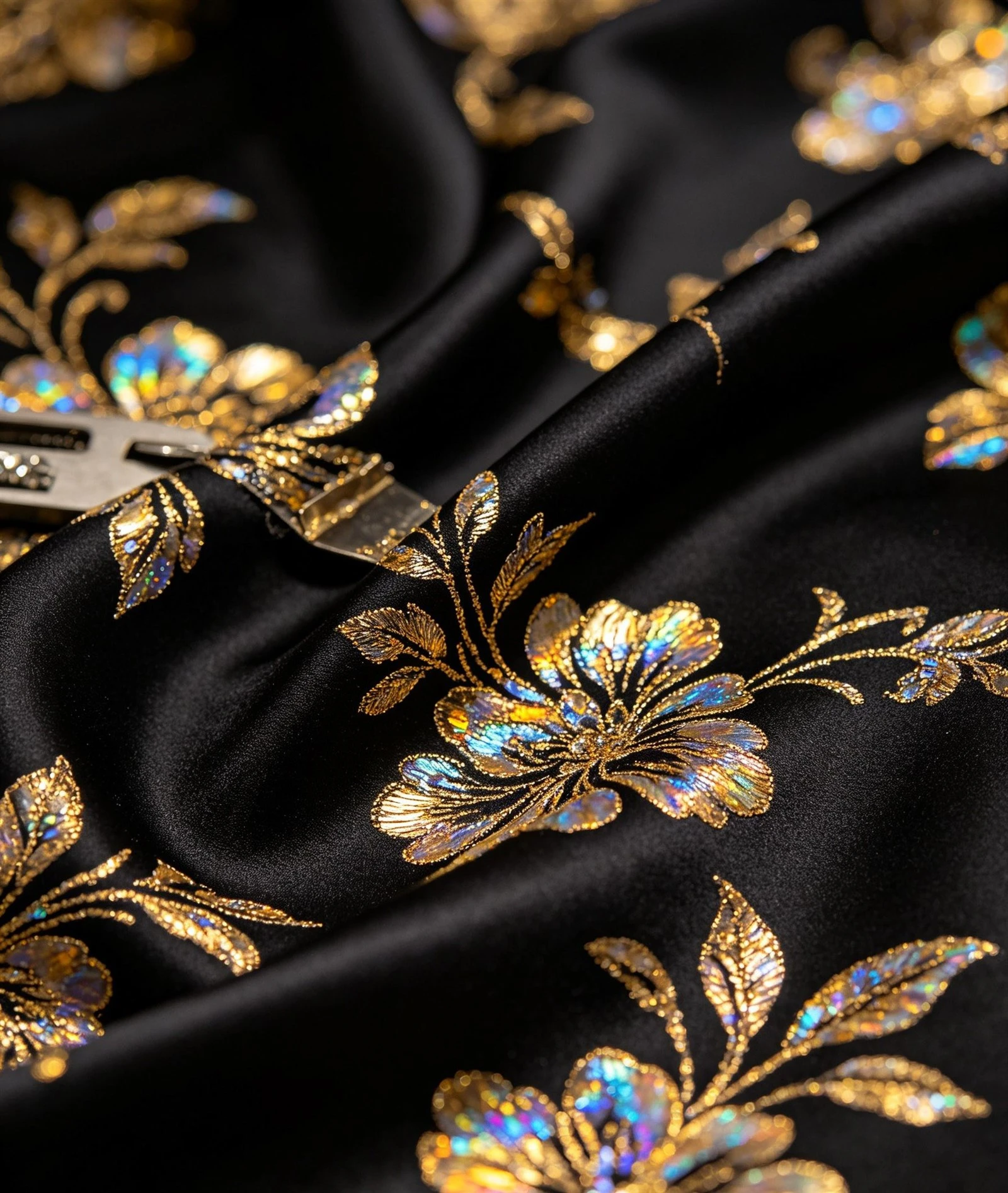
There are various methods to apply digital foil onto fabrics. One common method is heat transfer. In this process, a digital printing machine prints an adhesive layer in the desired pattern on the foil, which is then placed on the fabric. Heat and pressure are applied using a heat press, causing the foil to transfer onto the fabric. Another method is cold transfer, which uses a special adhesive that activates without the need for heat. Cold transfer is suitable for heat - sensitive fabrics but may require more precise handling.
Durability
The durability of digital foil on fabrics is a significant consideration. Factors such as washing, abrasion, and exposure to sunlight can affect the longevity of the foil. Specialized coatings and adhesives can be used to enhance durability. For example, some digital foils are designed to withstand multiple washes without significant peeling or fading, making them suitable for clothing and other textile products that require regular maintenance.
Applications of Digital Foil on Fabrics
The use of digital foil on fabrics opens up a plethora of creative and practical applications across different industries.

Fashion and Apparel
In the fashion world, digital foil adds a touch of luxury and uniqueness to clothing. Designers can create intricate patterns, logos, or embellishments on dresses, shirts, and accessories. Foil accents on evening gowns can create a glamorous and eye - catching effect, while subtle foil details on casual wear can give it a modern and edgy look. Digital foil also allows for customization, enabling brands to offer limited - edition or personalized clothing items.
Home Textiles
Digital foil can transform home textiles, such as curtains, upholstery, and bedding. A foil - printed curtain can become a focal point in a room, adding a sense of opulence. On upholstery, it can create a sophisticated and contemporary look. And on bedding, foil accents can give a luxurious and cozy feel, enhancing the overall aesthetics of the bedroom.
Sports and Performance Fabrics
In the sports industry, digital foil can be used not only for aesthetic purposes but also for functional reasons. For example, reflective foils can be applied to sports jerseys and gear to improve visibility in low - light conditions. Additionally, foil can be used in performance fabrics to add a branding element without compromising the fabric's breathability and flexibility.
Challenges and Solutions
While the use of digital foil on fabrics offers many advantages, it also comes with some challenges.
Adhesion Issues
One of the main challenges is ensuring proper adhesion between the foil and the fabric. As mentioned earlier, fabric type and surface preparation are key. Pre - treatment processes such as plasma treatment or applying a primer can increase the surface energy of the fabric, improving foil adhesion. Additionally, using high - quality adhesives specifically formulated for fabric applications is crucial.
Cost
Digital foil technology can be more expensive than traditional printing methods, especially for small - scale production. However, as the technology advances and becomes more widespread, the cost is gradually decreasing. Economies of scale can also play a role in reducing costs. For example, larger production runs can help spread out the fixed costs associated with digital foil printing.
Environmental Impact
The use of digital foil raises some environmental concerns, such as the use of synthetic materials and adhesives. To address this, suppliers are increasingly developing eco - friendly alternatives. For example, some digital foils are made from recyclable materials, and water - based adhesives are being used to reduce the environmental footprint.

Future Trends
The future of using digital foil on fabrics looks promising. With the continuous advancement of digital printing technology, we can expect even more precise and intricate designs. The integration of smart technologies, such as conductive foils for wearable electronics, is also on the horizon. These conductive foils can be used to create fabrics that can monitor vital signs, charge mobile devices, or even change color based on environmental conditions.
Conclusion
In conclusion, digital foil can indeed be used on fabrics, offering a wide range of creative and practical applications across various industries. While there are challenges such as adhesion, cost, and environmental impact, solutions are being developed to overcome these issues. As a digital foil supplier, I am excited to see how this technology will continue to evolve and transform the textile industry.
If you are interested in exploring the possibilities of using digital foil on your fabric products, I invite you to contact me for a detailed discussion. We can work together to find the best solutions for your specific needs, whether you are a fashion designer, a home textile manufacturer, or a sports brand. Let's bring your creative ideas to life with the magic of digital foil on fabrics.
References
- Smith, J. (2020). Textile Printing Technology. Textile Press.
- Brown, A. (2021). Advances in Digital Printing for Fabrics. Journal of Textile Innovation.
- Green, M. (2022). Environmental Considerations in Textile Foil Application. Textile and Sustainability Journal.


