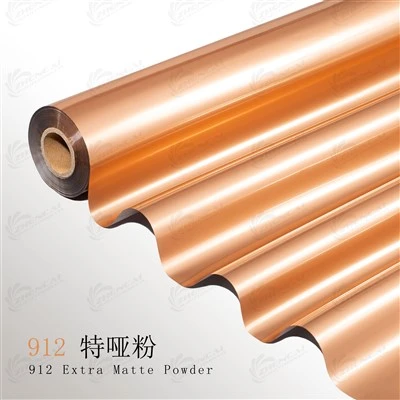


Fabric Foil Wash Resistance: What Apparel Manufacturers Should Test
Fabric foil is an industrial decorative material used by apparel manufacturers, textile printing factories, and garment suppliers to add metallic, matte, holographic, or special visual effects to fabrics. Before bulk production, buyers should test washing resistance, rubbing durability, stretch performance, adhesion, and hand feel to confirm the foil matches the target textile and production process.
ZC Gold Foil supplies industrial foil rolls for textile applications, including custom textile foil for apparel, sportswear, fashion accessories, and home textiles. Proper substrate testing is necessary because fabric type, coating structure, printing method, and washing conditions can affect final performance.
What Is Fabric Foil and Why Does Wash Resistance Matter?
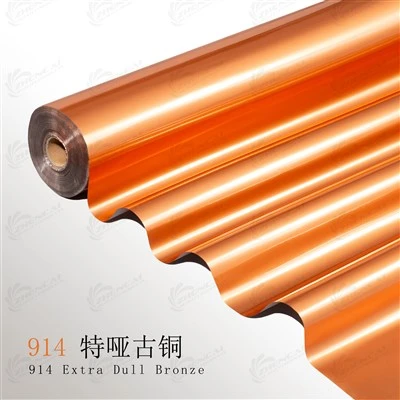
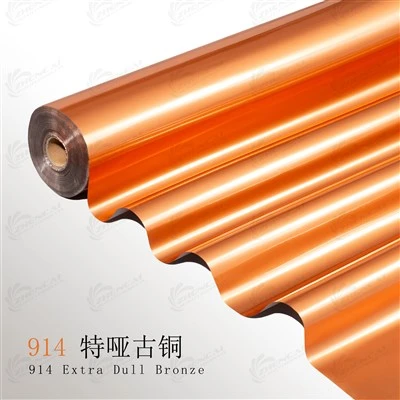
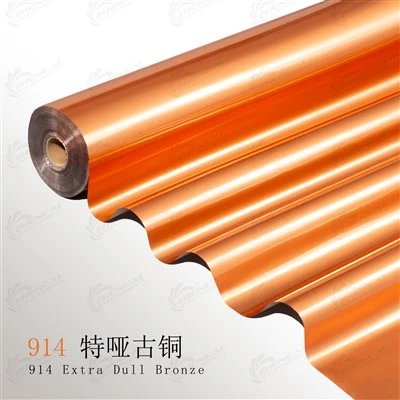
Fabric foil, also called textile foil or garment foil, is a decorative film transferred onto fabric surfaces through heat and pressure. It is commonly used for logos, patterns, lettering, brand marks, and metallic decorative effects.
Unlike paper or plastic applications, textile substrates create additional challenges:
Fabrics bend, stretch, and recover during use.
Garments experience repeated washing and drying.
Surface fibers may affect foil bonding.
Different fabrics require different adhesive systems.
A foil that transfers well during production may still fail after repeated washing if adhesion between the foil adhesive layer and fabric surface is insufficient.
For apparel manufacturers, wash resistance is not only a quality issue. It affects customer complaints, return rates, production efficiency, and brand reputation.

Key Performance Tests Before Bulk Fabric Foil Production
Before placing a large order, textile manufacturers should request samples and conduct production-condition testing.
The most important evaluations include:
| Test Item | Purpose | What Buyers Should Check |
|---|---|---|
| Washing test | Evaluate long-term adhesion after cleaning | Whether foil peeling, cracking, fading, or edge lifting appears |
| Rubbing test | Check resistance against friction | Whether metallic layer transfers or surface color changes |
| Stretch test | Evaluate performance on elastic fabrics | Whether the foil cracks or separates after fabric deformation |
| Adhesion test | Confirm bonding strength | Whether the foil remains attached under normal use |
| Hand feel test | Check comfort after transfer | Whether the printed area becomes stiff or uncomfortable |
| Visual inspection | Confirm appearance stability | Whether gloss, color, and pattern remain consistent |
Testing should be performed on the actual production fabric whenever possible.
A polyester sportswear fabric, cotton T-shirt fabric, and elastic hoodie fabric may require different foil structures even if the same design is applied.
Fabric Types and Textile Foil Application Differences
Different fabrics have different surface structures and flexibility. Choosing the correct foil depends on fiber composition, fabric construction, and end-use requirements.
| Fabric Type | Common Applications | Main Testing Focus | Recommended Evaluation |
| Cotton | T-shirts, casual wear, promotional clothing | Adhesion on natural fibers | Washing and rubbing tests |
| Polyester | Sportswear, uniforms, performance clothing | Bonding on synthetic fibers | Heat transfer stability and stretch resistance |
| Spandex blends | Leggings, activewear, compression garments | Flexibility after deformation | Stretch and recovery tests |
| Nylon | Outdoor clothing, bags, accessories | Surface compatibility | Adhesion and durability tests |
| Home textile fabrics | Cushions, curtains, decorative textiles | Repeated cleaning resistance | Washing durability and hand feel |
For customers searching for textile foil for apparel, the correct selection should consider the complete production environment instead of only the visual effect.
ZC Gold Foil provides fabric foil solutions for textile manufacturers requiring metallic, matte, holographic, and custom decorative effects.
Common Fabric Foil Problems and How to Troubleshoot Them
Many foil failures are related to incorrect material matching or insufficient production testing.
| Problem | Possible Cause | Recommended Solution |
| Foil peeling after washing | Weak adhesion between foil adhesive layer and fabric | Test a foil designed for the specific fabric type |
| Cracking after stretching | Foil structure does not match elastic textile movement | Conduct stretch testing before production |
| Unclear edges | Incorrect temperature, pressure, or transfer time | Adjust machine parameters and verify sample results |
| Uneven transfer | Fabric surface is irregular or pressure distribution is unstable | Check fabric preparation and transfer conditions |
| Color fading or mismatch | Incorrect foil selection or insufficient color control | Confirm color reference and request production samples |
| Fabric feels stiff after transfer | Adhesive layer or foil structure unsuitable for application | Select a textile foil designed for flexible materials |
Production conditions should always be recorded during testing, including transfer temperature, pressure, dwell time, machine type, and fabric details.
Hot Stamping Parameters for Textile Foil Testing
There is no universal transfer setting for every fabric application. Parameters should be adjusted according to foil construction and textile surface.
| Parameter | Why It Matters |
| Temperature | Controls adhesive activation and transfer quality |
| Pressure | Influences contact between foil and fabric surface |
| Dwell time | Affects transfer completeness and edge definition |
| Peeling method | Determines whether the foil releases correctly after transfer |
| Machine type | Different equipment may require different settings |
A professional foil supplier should provide recommended testing conditions, but final confirmation should always be completed on the customer's actual production materials.
Metallic Foil, Pigment Foil, and Holographic Fabric Foil Comparison
Apparel brands often choose different foil effects depending on design requirements.
| Foil Type | Visual Effect | Typical Applications | Main Consideration |
| Metallic foil | Gold, silver, colored metallic appearance | Fashion logos, sportswear graphics, accessories | Check reflection stability and adhesion |
| Pigment foil | Solid color surface effect | Printed patterns, decorative textile designs | Confirm color consistency |
| Holographic foil | Rainbow or changing optical effect | Fashion garments, promotional clothing | Test pattern clarity after washing |
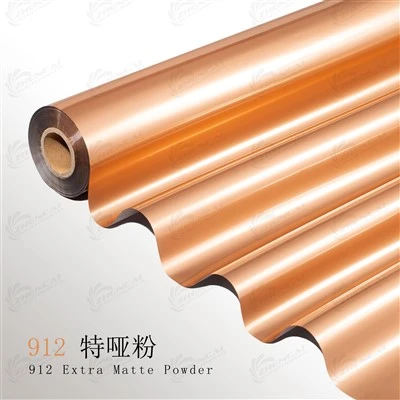
| Matte foil | Soft low-reflection appearance | Premium casual wear, lifestyle textiles | Evaluate hand feel and surface texture |
For brands requiring special colors, suppliers may provide custom Pantone metallic foil matching. Sample approval is recommended before bulk production.
How Apparel Manufacturers Should Select a Fabric Foil Supplier
Choosing a supplier is not only about foil price. For bulk garment production, stability between batches is critical.
A suitable fabric foil manufacturer should be able to provide:
| Supplier Evaluation Point | What Buyers Should Confirm |
| Product range | Availability of fabric foil, custom foil, metallic foil, holographic foil, and pigment foil |
| Technical support | Ability to recommend foil according to fabric and application |
| Sample service | Availability of samples before bulk order |
| Production capability | Stable supply for repeated orders |
| Customization | Support for colors, patterns, and special effects |
| Packaging information | Clear roll width, roll length, and core size specifications |
| Communication | Fast response for technical matching and quotation |
For importers, distributors, and printing material wholesalers, working with a professional China supplier can reduce production risks when ordering large quantities.
Information Buyers Should Provide Before Requesting a Foil Quotation
Accurate information helps suppliers recommend the correct foil and prepare suitable samples.
| Required Information | Example Details |
| Substrate type | Cotton, polyester, nylon, blended fabric |
| Application | T-shirt logo, hoodie graphic, sportswear decoration |
| Required effect | Gold, silver, matte, holographic, custom color |
| Production method | Heat transfer machine type and process |
| Roll width | Required foil roll width |
| Roll length | Expected consumption per roll |
| Core size | Machine compatibility requirement |
| Order quantity | Estimated bulk order volume |
| Testing requirement | Washing, rubbing, stretch evaluation |
Providing these details allows suppliers to evaluate technical matching instead of offering a general quotation.
Sample Testing Checklist for Textile Foil Buyers
Before approving mass production, apparel manufacturers should check:
| Check Item | Pass Criteria |
| Transfer appearance | Complete transfer without missing areas |
| Edge definition | Clear design edges without spreading |
| Adhesion | No peeling during handling |
| Washing durability | No visible damage after washing test |
| Rubbing resistance | No obvious color transfer |
| Stretch performance | No cracking after fabric movement |
| Hand feel | Printed area remains acceptable for wearing comfort |
| Color consistency | Matches approved sample |
Sample approval is an important step for OEM garment factories, apparel brands, and textile suppliers.
Why Work With a Professional Fabric Foil Manufacturer?
Industrial foil production requires consistent coating technology, adhesive formulation control, and production management.
A professional supplier can help buyers reduce problems related to:
unstable transfer performance;
inconsistent color between batches;
unsuitable adhesive systems;
production delays caused by material mismatch;
incorrect foil selection for different fabrics.
ZC Gold Foil supplies industrial foil rolls for fabric, leather, plastic, paper, packaging, and label applications. The company supports custom foil development, sample testing, and bulk production requirements for international buyers.
Related solutions:
fabric foil
custom Pantone metallic foil
hot stamping foil for packaging
FAQ About Fabric Foil Wash Resistance
Q:1.Can I get fabric foil samples before placing a bulk order?
A:Yes. Sample testing is recommended before bulk production. Buyers should test the foil on their actual fabric and production equipment to confirm adhesion, appearance, and durability.
Q:2.How do I know if textile foil works on my fabric?
A:The best method is substrate testing. Provide fabric composition, surface condition, application method, and required durability standard so the supplier can recommend suitable options.
Q:3.What causes fabric foil peeling after washing?
A:Common causes include poor substrate compatibility, insufficient heat transfer conditions, incorrect pressure or dwell time, and selecting a foil not designed for the fabric type.
Q:4.Can fabric foil colors and effects be customized?
A:Many suppliers support custom foil colors, Pantone matching, metallic effects, matte finishes, and special patterns. Sample approval is recommended before production.
Q:5.What information is needed for a fabric foil quotation?
A:Buyers should provide substrate type, application, desired effect, roll width, roll length, core size, estimated quantity, and testing requirements.
Q:6.What roll specifications can be supplied for textile foil?
A:Industrial foil suppliers usually provide different roll widths, roll lengths, and core sizes depending on customer machines and production requirements. Confirm specifications before ordering.

Request Fabric Foil Samples and Technical Support
If you are sourcing fabric foil for apparel production, please send:
substrate type;
application details;
required color or visual effect;
roll width and roll length requirements;
core size specification;
current production problem, if any;
estimated order quantity;
sample testing requirements.
Our technical team can help evaluate foil selection and provide a suitable solution for your production process.