


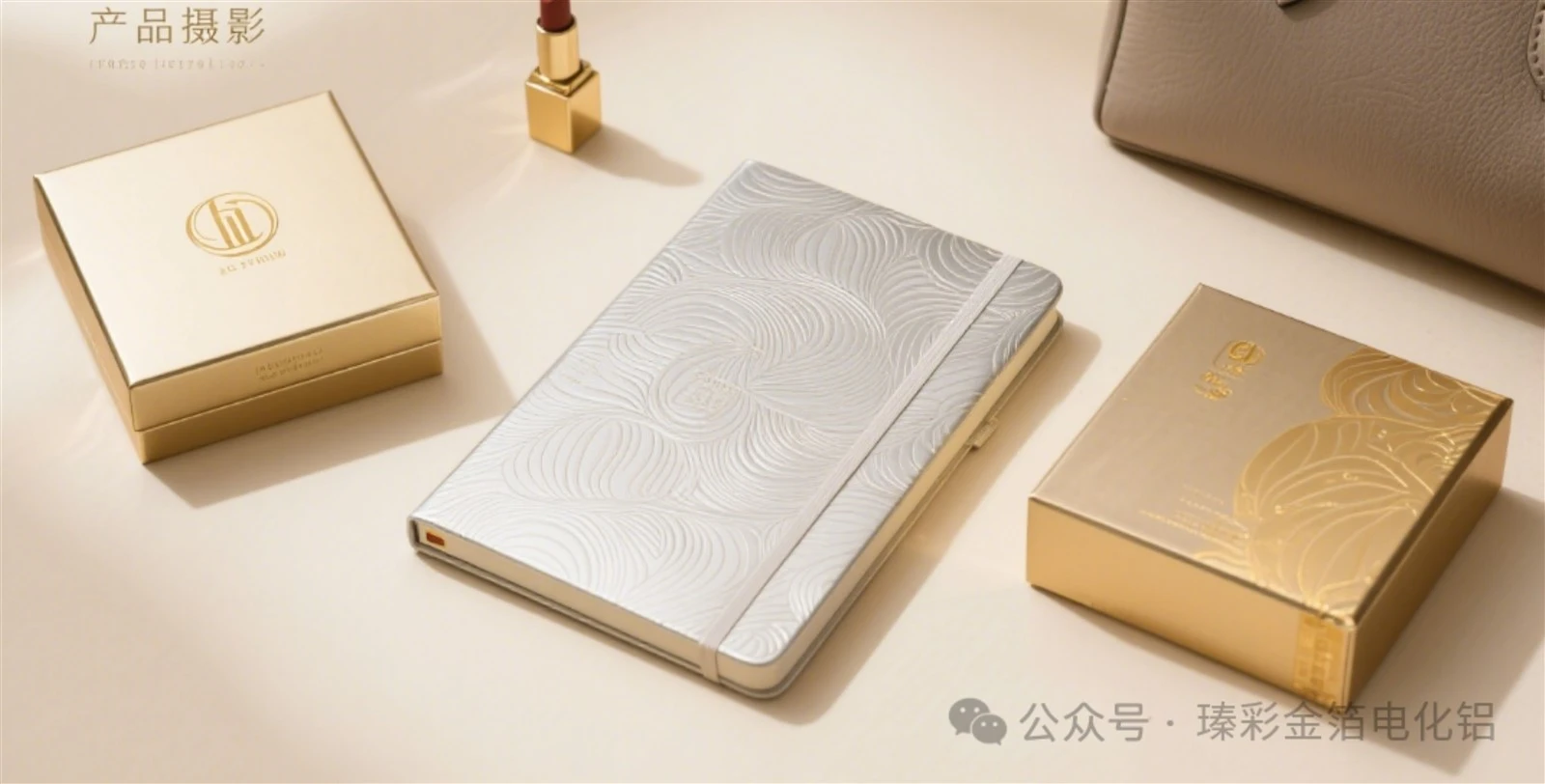
On the gilded logos of beauty gift boxes, on the silver foil patterns of creative notebooks, and along the metallic edges of luxury packaging, hot stamping, in a subtle yet striking way, becomes an "invisible force" enhancing the product's quality.
This seemingly simple surface decoration technique is actually a clever combination of materials science and mechanical precision. After nearly a century of development, it has evolved from traditional metal foil transfer into a modern process integrating functionality and artistry.
I. Deconstructing the Hot Stamping Process: The Core Technology Beyond "Hot Stamping"
Nature and Core Material:
The essence of hot stamping is a heat-based transfer process. Its key material is not genuine metal but a multi-layered composite film known as "electroplated aluminum hot stamping foil."
Material Structure:
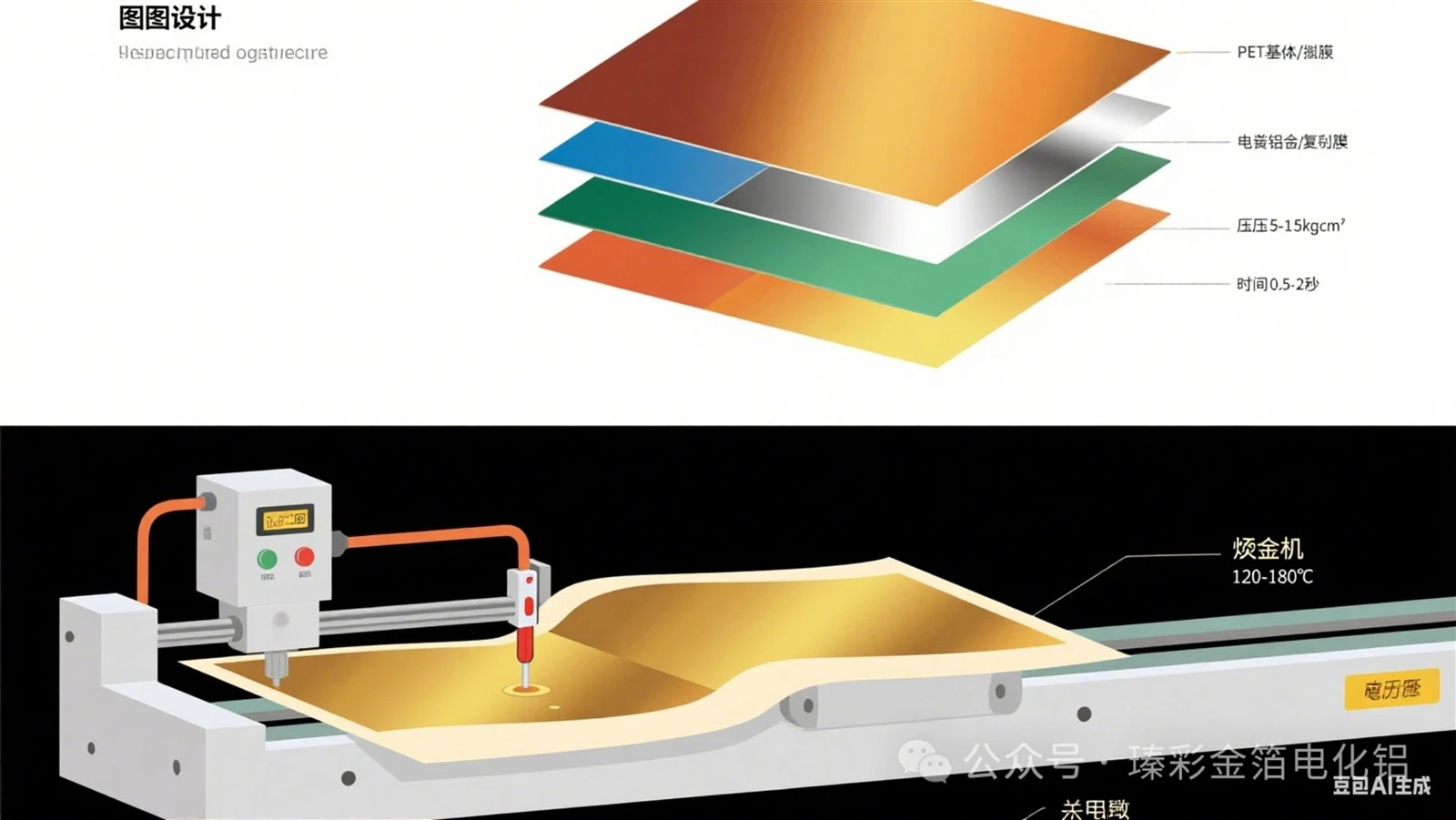
This foil typically consists of five functional layers: a PET film substrate for support, a release layer for easy pattern detachment, a coloring layer that determines the final metallic hue (gold, silver, red, blue, etc.), a vacuum-metallized aluminum layer creating the metallic luster, and an adhesive layer for bonding to the target surface.
Transfer Process:
During operation, the hot stamping machine heats to an optimal temperature (120-180°C), melting the adhesive layer. Under controlled pressure (approx. 5-15 kgf/cm²) and time (0.5-2 seconds), the aluminum and coloring layers are precisely transferred onto substrates like paper, leather, or plastic, forming a durable and glossy pattern.
Critical Parameters for Quality:
The result depends on a precise balance between three key parameters. Improper temperature causes blurred edges or incomplete transfer; incorrect pressure leads to poor adhesion or substrate damage; and unsuitable speed, if not synchronized with heat and pressure, results in incomplete transfer or reduced production efficiency.
II. From "Hot" to "Cold": Innovative Breakthroughs in Modern Hot Stamping Technology
While traditional hot foil stamping faces challenges related to substrate heat resistance and application on complex surfaces, the industry has evolved to introduce cold foil stamping as a key solution. Concurrently, advancements in visual effects, such as holographic and embossed stamping, have significantly expanded the creative and functional possibilities of foil technology.
Cold Foil Stamping:
A Low-Temperature Alternative**
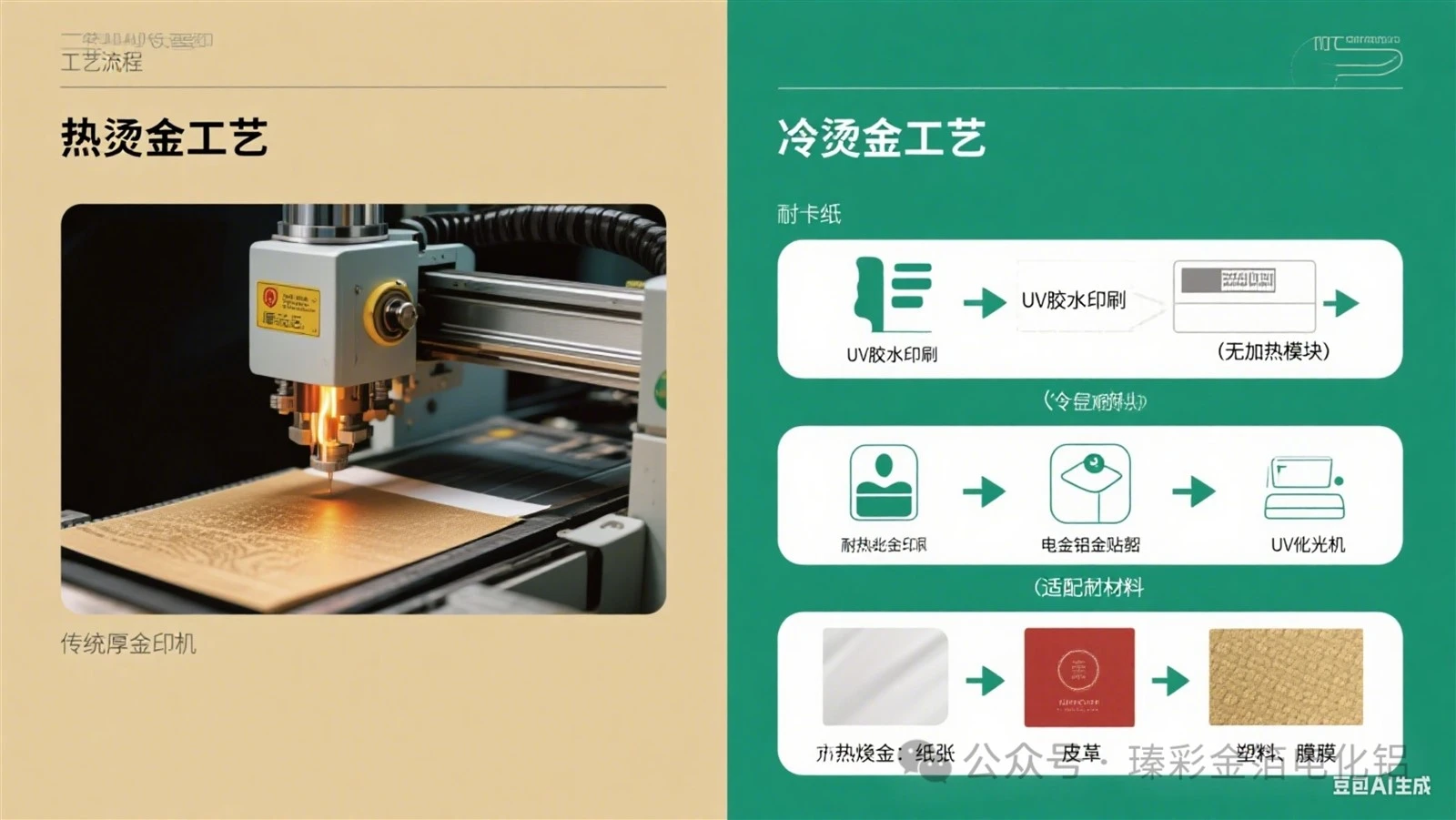
This technology addresses the limitations of traditional hot stamping by eliminating the need for heat. The process involves printing a UV-curable adhesive onto the substrate, laminating the foil under pressure, and then curing the adhesive with UV light to permanently fix the design. This method is ideal for heat-sensitive materials like plastics and films, enables high-speed, large-format production, and is widely used in food packaging and electronics.
Advancements in Visual Depth and Texture:
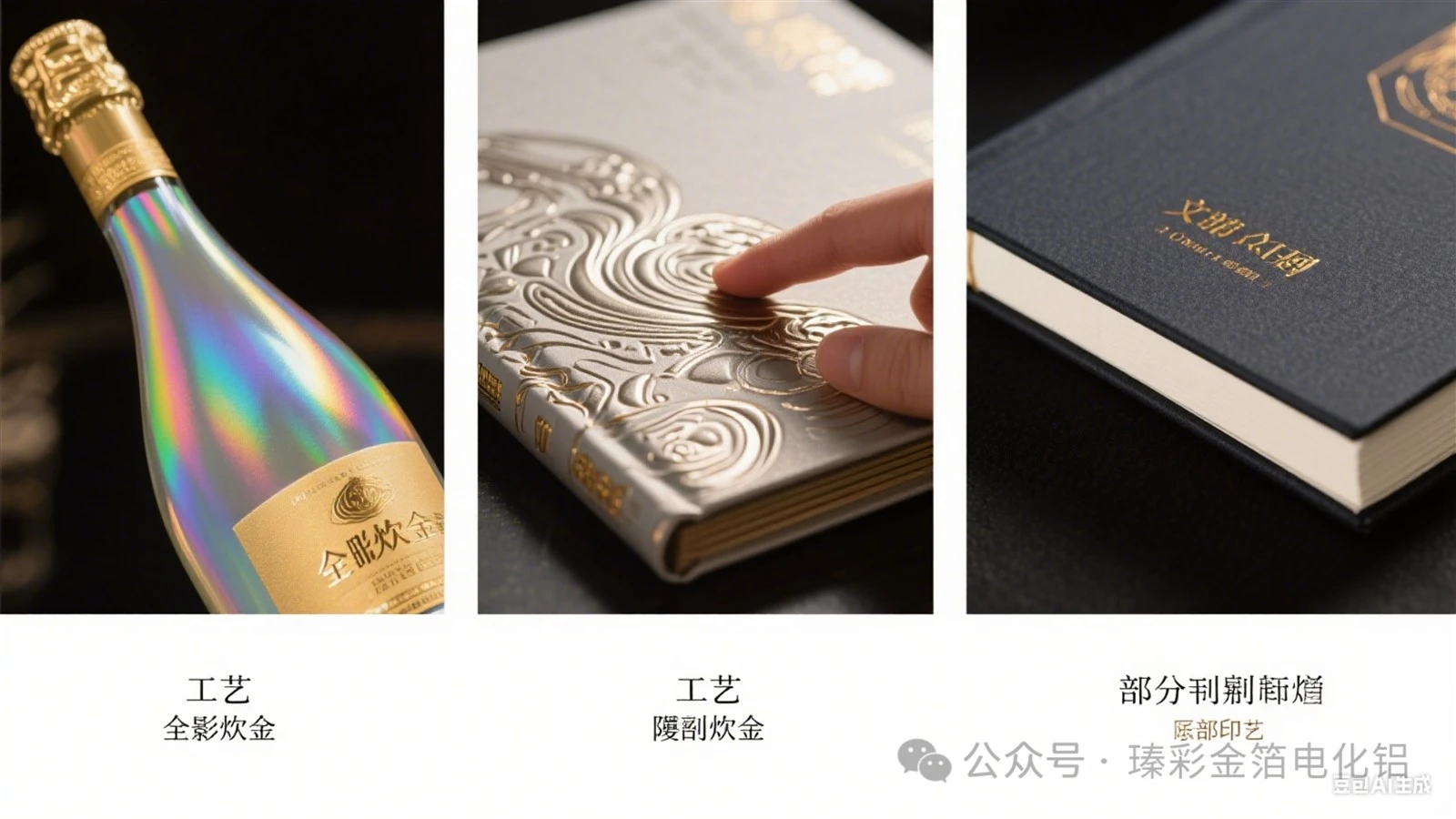
Modern foil stamping extends beyond flat metallic finishes to create dynamic visual and tactile experiences. Holographic hot stamping integrates optical gratings into the foil, producing a shifting, iridescent effect for high-end packaging. Embossed hot stamping combines metallic transfer with physical debossing or embossing, resulting in patterns with three-dimensional depth and a tangible texture, frequently applied to premium cultural goods and stationery.

Meanwhile, "partial hot stamping" technology allows for precise control of the stamping area on the same substrate. For example, on a book cover, only the title can be hot stamped, highlighting the key information while avoiding an overly flamboyant overall effect.
III. Cross-industry Applications: The Path of Hot Stamping Technology to "Break Out of Its Scope"
Today, hot stamping has transcended the realm of traditional printing, achieving cross-industry applications.
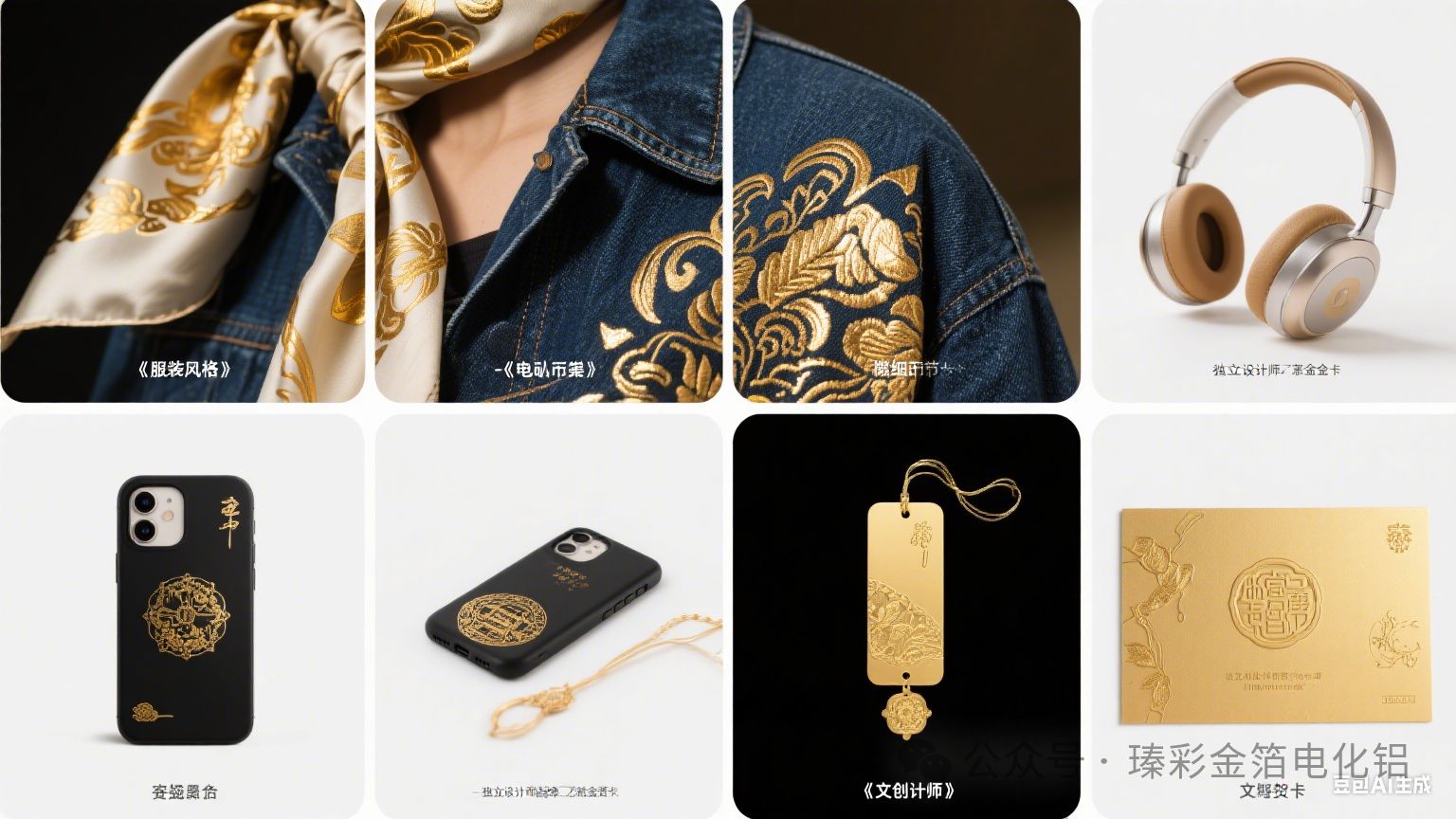
In the apparel industry, designers apply hot stamping to silk scarves and denim jackets, creating a retro yet fashionable style through the interplay of metallic luster and fabric texture.
In the electronics sector, some headphones and phone cases utilize micro-hot stamping technology, presenting intricate patterns on extremely small areas, enhancing the product's technological feel and sophistication.
In the cultural and creative industries, hot stamping has become a core element of the "aesthetics economy"-from the Palace Museum's hot stamping bookmarks to independent designer brands' hot stamping greeting cards, the metallic sheen instantly imbues ordinary items with a sense of luxury.
Meanwhile, environmental trends are also driving the upgrading of hot stamping technology:
the industry has recently seen the emergence of environmentally friendly materials such as biodegradable electroplated aluminum hot stamping foil and solvent-free adhesive layers.
Some companies are also optimizing hot stamping parameters to reduce energy consumption and waste generation, allowing this "glittering process" to meet the requirements of green production while pursuing aesthetics.
From a finishing touch in traditional printing to a core element in modern design, the development of hot stamping has always revolved around "texture" and "innovation."
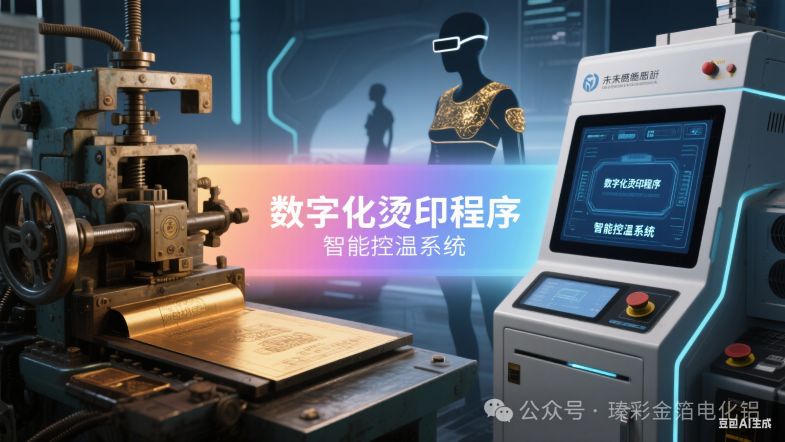
In the future, with the addition of technologies such as digital hot stamping and intelligent temperature control, this ancient yet modern craft may bring even more surprising applications.


