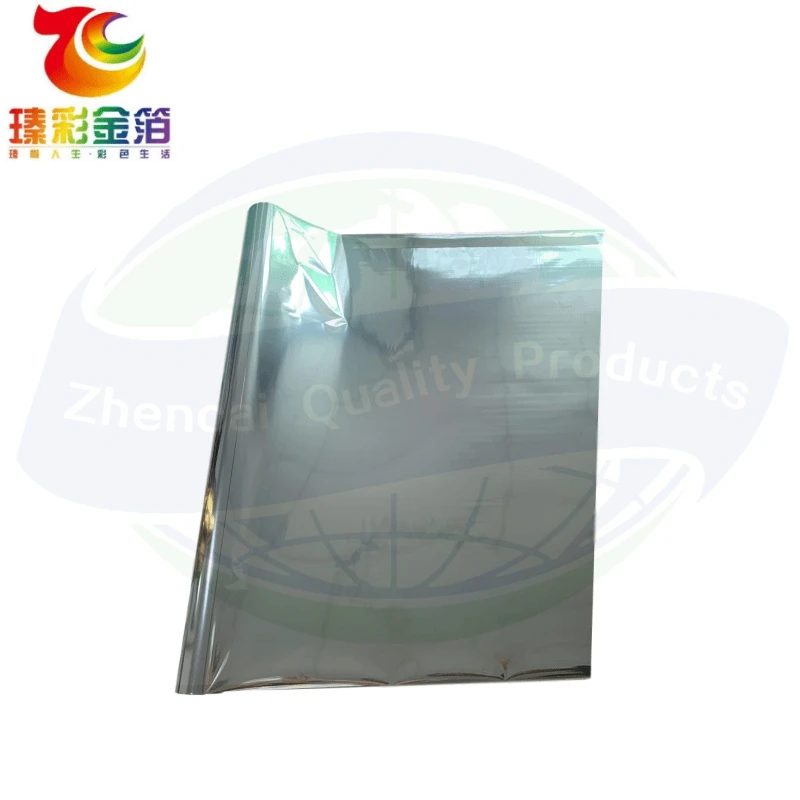


(1) Flat ironing of fabrics: Place the hot stamping paste on the screen printing plate, and use a squeegee to print the hot stamping paste on the surface of the object (such as fabric, clothing, etc.). After the hot stamping paste is dry, place the hot stamping paper on the fabric surface, 130~140℃, pressure 4kg/cm², time more than 10″, take it out, and tear off the waste film after cooling.
(2) Flat ironing of leather products: The main tool is aluminum or copper hot stamping plate, which is suitable for hot stamping leather and other products. The pressure is smaller than that of fabric hot stamping, and the hot stamping time is also shorter than that of fabric hot stamping. It can be flexibly controlled according to different products.
(3) Rolling hot stamping of ribbon products: Commonly used tools: silicone wheels, mostly used for hot stamping of trademark ribbons.
(4) Rolling hot stamping of cloth products: It is often used for hot stamping on a whole roll of cloth fabric. According to the hot stamping effect, there are special hot stamping and general hot stamping. The hot stamping paper varieties are roughly There are: full transfer film, half transfer film, etc. The colors are roughly: single color film, multi-color film, etc.
In addition, there is also a difference between glue and no glue on the back of the hot stamping paper. Hot stamping paper with glue (i.e. hot melt glue coated on the back) is generally more common in leather hot stamping. Hot stamping paper without glue is generally used for fabric hot stamping because the operation is more flexible and maneuverable in the actual production process. Of course, there are also some specific patterns with hot stamping glue on the back, such as: positioning hot stamping film. Hot stamping glue is also divided into water-based and oil-based, and it is selected and used in a targeted manner for different materials. After hot stamping, do not wipe the hot stamping surface with your hands or rub the fabric. It is recommended to do a water washing test after 24 hours for the best effect. In addition, hot stamping paper must be protected from sunlight, rain or moisture during transportation and storage. After arriving at the factory, hot stamping paper must be stored in a cool, ventilated and dry area.