

As a seasoned supplier of brown leather hot stamping foil, I frequently encounter a common question from our clients: "Can the brown hot stamping foil pattern on leather be repainted or covered?" This question is highly relevant not only for clients looking to customize their leather projects but also for those seeking to restore or alter the appearance of existing hot-stamped finishes. In this blog post, I will delve into the science behind leather hot stamping foils, analyze the feasibility of applying a secondary coat over them, and provide practical tips and considerations.
Understanding Leather Hot Stamping Foil
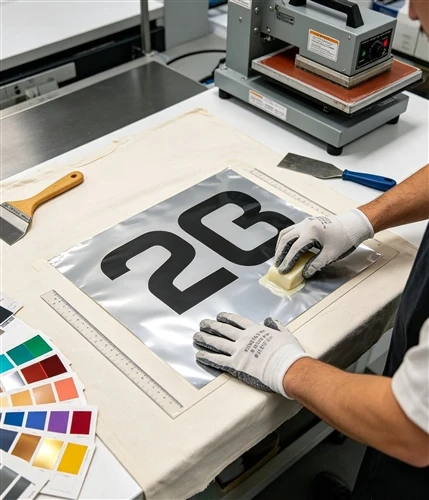
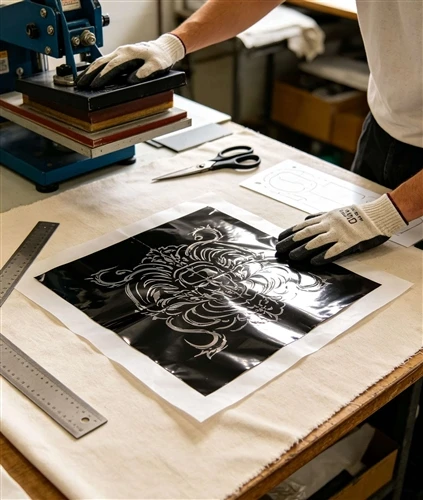
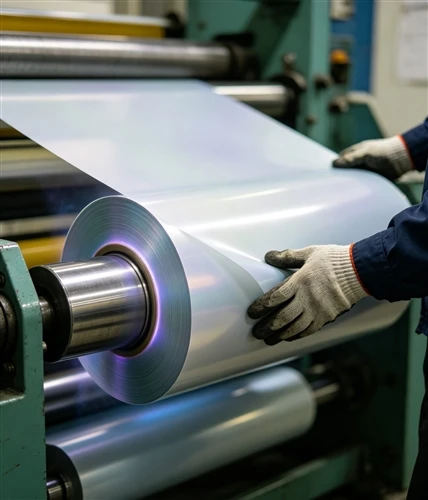
Leather hot stamping foil is a widely used decorative material, extensively applied to genuine or synthetic leather (PU) in furniture upholstery, automotive interiors, fashion accessories (such as wallets and belts), and high-end packaging. Through a heat press process, it transfers metallic luster or color onto the leather surface, offering a cost-effective and highly textured decorative effect. Hot stamping foil typically consists of multiple precision-engineered layers, including a polyester (PET) carrier film, a release layer, a color layer (pigment layer), an electroplated layer (usually aluminum), and an outermost adhesive layer.
During the hot stamping process, heat and pressure cause the color, electroplated, and adhesive layers to detach from the PET carrier film and bond firmly to the leather surface. The chemical composition and physical structure of these layers play a crucial role in determining whether the hot-stamped surface can undergo secondary coloring or coating.

Factors Affecting the Paintability of Leather Hot Stamping Foil
Surface Texture and Gloss
The surface texture and gloss of the hot stamping foil are significant factors. Smooth hot stamping foils with high metallic luster (such as mirror gold or silver) have low surface tension, making it difficult for ordinary coatings to grip effectively. Conversely, textured or matte-finish foils (such as matte brown or brushed effects) provide better physical adhesion, allowing subsequent coatings to bond more securely.
Chemical Composition and Resistance of the Foil
The color and electroplated layers of hot stamping foils usually contain resins and metallic components, granting them a certain degree of chemical and abrasion resistance. If the foil itself possesses strong solvent and friction resistance, ordinary paints or dyes may fail to penetrate or adhere. Therefore, understanding the surface chemical properties of the hot stamping foil is vital for determining the compatibility of subsequent coloring materials.
Selection of Coloring Materials
The type of coloring material chosen is also critical. While traditional oil-based paints offer strong adhesion, they may react with the resin layer of the hot stamping foil, causing wrinkling or peeling, and often emit strong odors. In contrast, water-based acrylic paints, leather-specific dyes, or modified coatings designed specifically for leather or metal surfaces are generally more environmentally friendly and tend to be more compatible with hot-stamped surfaces.

Can Hot Stamping Foil on Leather Be Repainted or Covered?
The short answer is yes, brown hot stamping foil on leather can be repainted or covered. However, this requires extremely meticulous preparation and the correct choice of materials. Below are the steps for successfully completing a repainting project:
Step 1: Surface Preparation
The first step is to thoroughly clean the surface of the hot stamping foil. Use a mild leather cleaner or diluted alcohol to remove dirt, grease, fingerprints, or mold release residue. Rinse thoroughly and allow it to dry completely. After cleaning, gently sand the hot-stamped surface with ultra-fine sandpaper (e.g., 1000 grit or higher) or a scouring pad to create a micro-texture that helps the pigment adhere better. Be careful not to sand too aggressively to avoid damaging the metallic luster layer of the foil.
Step 2: Priming
Applying a specialized primer is highly recommended. A primer helps improve the adhesion between the hot stamping foil and the subsequent pigment, providing a more uniform base for coloring. Choose an adhesion-promoting primer designed specifically for smooth surfaces, metals, or leather. Apply a thin coat according to the manufacturer's instructions and allow it to dry completely.
Step 3: Coloring
Once the primer is dry, you can begin coloring. Use high-quality pigments suitable for leather or metal surfaces, such as leather-specific paints or high-grade acrylics. Apply thin, even layers, allowing each coat to dry completely before applying the next. Multiple thin coats provide better coverage and a more durable finish than a single thick coat, while also preserving the natural flexibility of the leather.
Step 4: Sealing and Protection
After the coloring has dried completely, apply a clear leather sealant or protective varnish. The sealant helps prevent the pigment from chipping, peeling, or fading over time, while unifying the overall gloss level. Choose a flexible sealant compatible with both the pigment and the leather substrate to ensure the coating does not crack when the leather is bent.

Other Leather Hot Stamping Foil Product Examples
If you are interested in exploring different leather hot stamping foil options, we offer a variety of other products, such as Matte Silver Leather Hot Stamping Foil, Matte Silver Iridescent Spotted Leather Hot Stamping Foil, Blue Metallic Leather Hot Stamping Foil, Micro-Nano Optical Magenta Leather Hot Stamping Foil, and Classic Gold Leather Hot Stamping Foil. These products can add a unique and stylish touch to your leather projects.
Tips and Considerations
Test First: Before coloring the entire hot-stamped surface, always test the primer and pigment on a corner of the leather or an inconspicuous small area. This will allow you to assess adhesion, color effect, and final finish, and make any necessary adjustments.
Ensure Ventilation: When using cleaners, primers, and pigments, ensure the work area is well-ventilated to prevent inhaling harmful fumes.
Curing Time: Allow the pigment and sealant to cure completely before using or touching the colored surface. Curing times vary depending on the material type and environmental temperature and humidity; do not rush the process.
Contact for Purchase and Negotiation
If you wish to purchase brown leather hot stamping foil or any of our other leather hot stamping foil products, or if you have further questions about the post-processing of hot stamping foils, we are here to assist you. We can provide detailed product information, test samples, and competitive pricing. Please feel free to reach out to us to discuss your requirements and discover how our leather hot stamping foil products can meet your needs.

References
"Leather Hot Stamping Foil: Properties and Applications," Journal of Leather Science and Technology
"Coating Techniques for Synthetic Leather and Hot Stamped Surfaces," Industrial Coatings Magazine
Manufacturer's instructions for leather hot stamping foil products