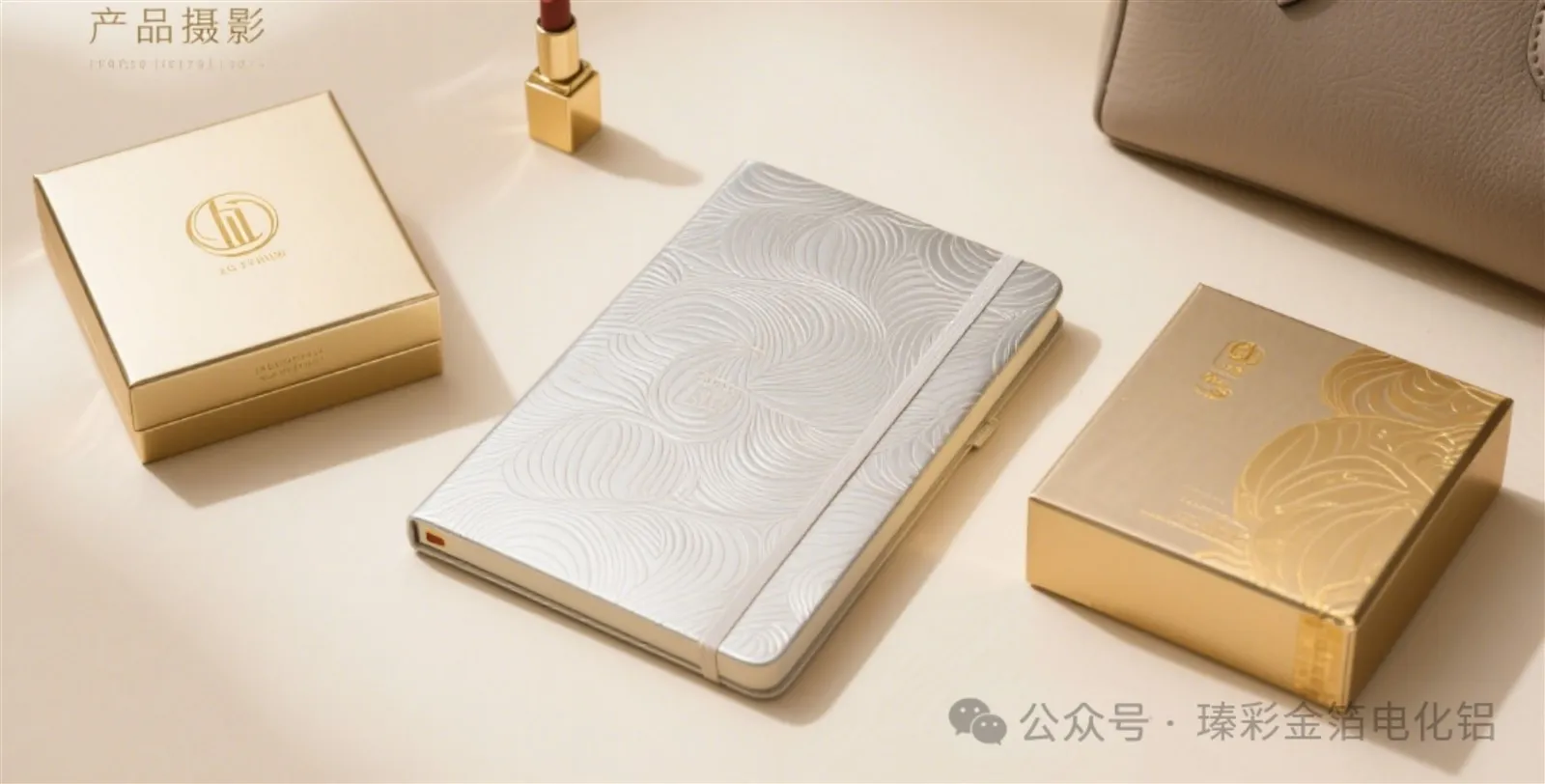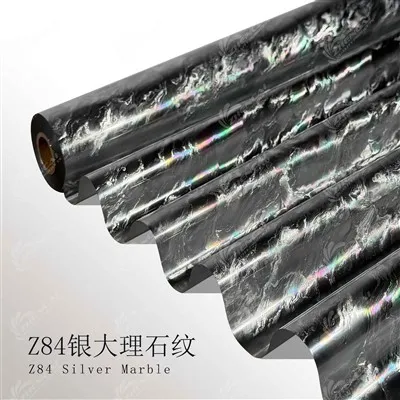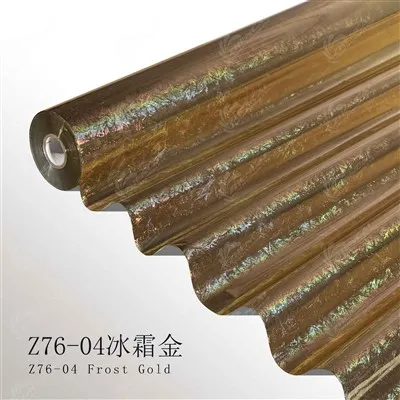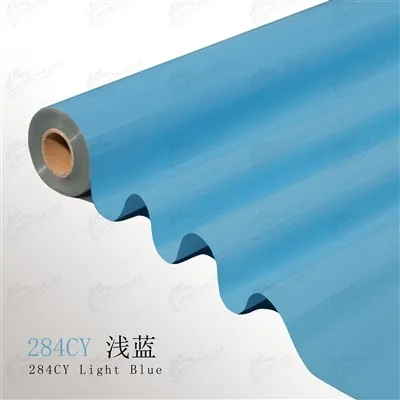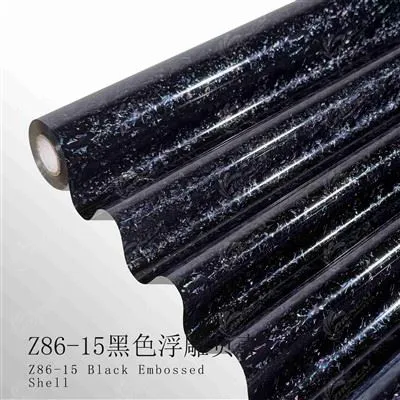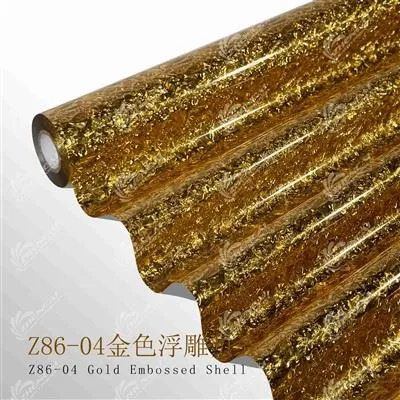




Cold foil and hot foil stamping are two widely used decoration methods in label printing. Both create metallic effects, but they differ in equipment requirements, production workflow, cost structure, image detail capability, and application suitability.
For label manufacturers, packaging printers, brand owners, and distributors, the right choice depends on substrate compatibility, production volume, design complexity, and finishing requirements. Before placing a bulk order, buyers should evaluate printing equipment, foil compatibility, transfer quality, adhesion performance, and sample testing results.

Understanding the Difference Between Cold Foil and Hot Foil Stamping
Although both technologies transfer metallic foil onto a label surface, the transfer mechanism is different.

Hot Foil Stamping
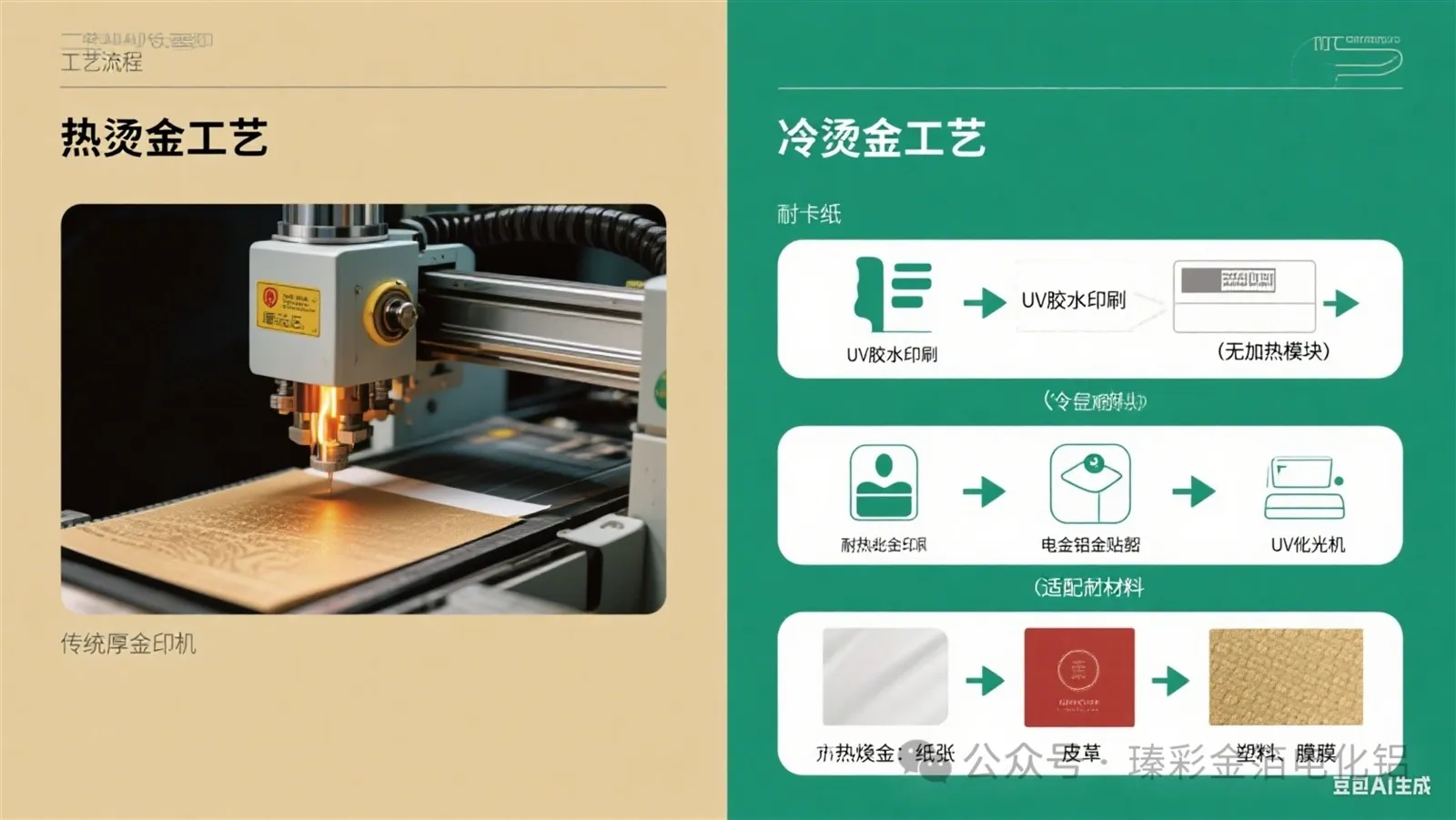
Hot foil stamping uses a heated metal die, pressure, and dwell time to transfer foil from the carrier film onto the substrate.
The process is commonly used for:
Wine labels
Premium cosmetic labels
Luxury packaging labels
Spirits and beverage labels
High-end promotional labels
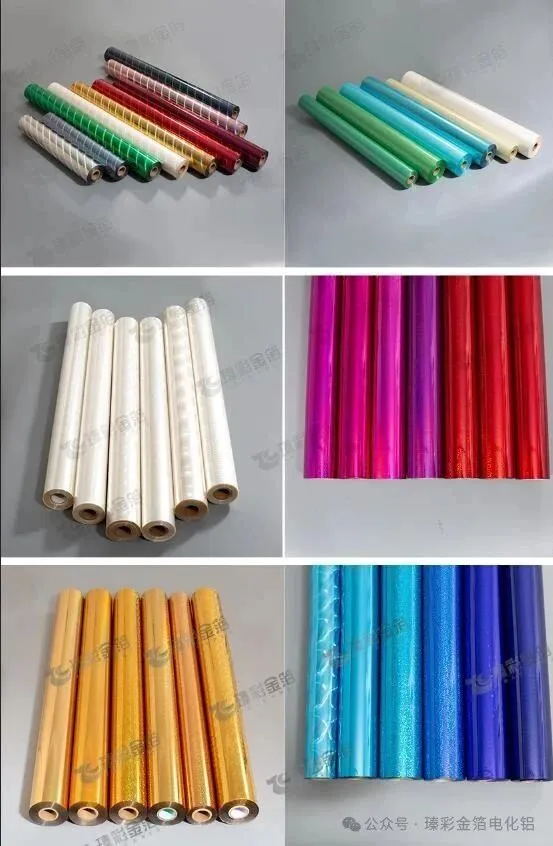
Cold Foil
Cold foil uses UV-curable adhesive and a printing unit instead of a heated die. The foil is transferred where adhesive is printed and then cured under UV light.
The process is commonly used for:
High-volume label production
Multi-color label designs
FMCG packaging labels
Personal care labels
Food and beverage labels
For buyers evaluating foil materials, reviewing available Cold Foil solutions alongside production requirements can help determine compatibility with existing label presses.
Cold Foil vs Hot Foil Stamping: Key Comparison for Label Printing
| Factor | Cold Foil | Hot Foil Stamping |
|---|---|---|
| Transfer Method | UV adhesive transfer | Heat and pressure transfer |
| Equipment | Flexographic or offset press with cold foil unit | Hot stamping machine with heated die |
| Production Speed | High | Moderate |
| Variable Design Capability | Strong | Limited |
| Fine Graphic Reproduction | Excellent | Good |
| Metallic Brightness | Good | Excellent |
| Embossing Possibility | No | Yes |
| Tooling Requirement | No metal die | Requires metal die |
| Setup Cost | Lower | Higher |
| Best for Long Runs | Yes | Yes |
| Best for Premium Decoration | Moderate | Strong |
Equipment Considerations Before Selecting a Foil Process
Many purchasing decisions are determined by available production equipment.
Cold Foil Requirements
Cold foil generally requires:
Flexographic press
Offset press
UV curing system
Adhesive application unit
If a label printer already operates UV flexo or UV offset lines, adding cold foil can often be more economical than installing dedicated hot stamping equipment.
Hot Foil Requirements
Hot foil stamping usually requires:
Heated stamping unit
Metal die
Temperature control system
Pressure adjustment system
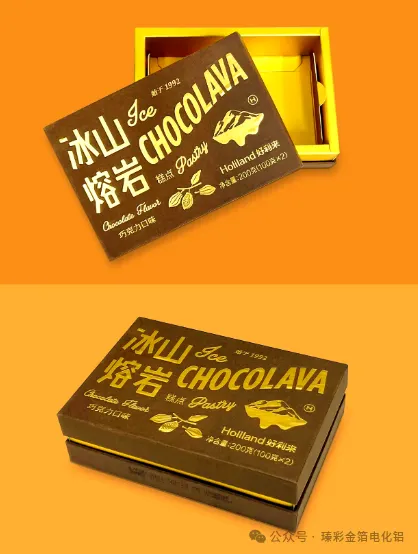
For luxury label manufacturers, these investments are often justified because of the stronger metallic appearance and embossing capability.

Metallic Appearance: Which Process Produces Better Visual Impact?
This is one of the most common questions from label buyers.

Hot Foil Advantages
Hot foil typically provides:
Higher reflectivity
Cleaner metallic coverage
Strong visual contrast
Better premium shelf appearance
Wine and spirits labels often use hot foil because metallic logos and decorative elements benefit from maximum brilliance.

Cold Foil Advantages
Cold foil offers:
Fine image detail
Smooth integration with CMYK printing
Large metallic coverage areas
Efficient production workflow
For cosmetic labels with photographic elements or gradient effects, cold foil can achieve design effects that are difficult with traditional hot stamping.
Performance Across Different Label Applications
| Label Type | Cold Foil | Hot Foil |
| Wine Labels | Suitable | Highly Recommended |
| Spirits Labels | Suitable | Highly Recommended |
| Cosmetic Labels | Recommended | Recommended |
| Food Labels | Recommended | Suitable |
| Personal Care Labels | Recommended | Suitable |
| Pharmaceutical Labels | Recommended | Suitable |
| Promotional Labels | Recommended | Suitable |
| Luxury Packaging Labels | Suitable | Highly Recommended |
Cost Analysis for Label Manufacturers
Cost evaluation should include more than foil price alone.
Cold Foil Cost Factors
Foil consumption
UV adhesive cost
Press configuration
Production speed
Waste reduction
Because cold foil can be integrated into the printing process, production efficiency is often improved on long runs.
Hot Foil Cost Factors
Metal die manufacturing
Die replacement
Machine setup time
Energy consumption
Foil consumption
However, for premium labels where visual impact influences purchasing decisions, the additional cost may be justified.
Common Label Printing Problems and How to Avoid Them
| Problem | Possible Cause | Recommended Action |
| Poor Adhesion | Incorrect foil grade | Conduct substrate testing |
| Foil Peeling | Insufficient pressure or adhesive | Optimize process parameters |
| Incomplete Transfer | Temperature or pressure issue | Adjust machine settings |
| Blurred Edges | Excessive pressure | Fine-tune setup |
| Color Variation | Batch inconsistency | Verify production samples |
| Uneven Metallic Effect | Substrate surface issue | Check material compatibility |
| Registration Problems | Equipment calibration issue | Inspect press alignment |
Before bulk production, sample testing should always verify:
Adhesion
Transfer clarity
Edge definition
Scratch resistance
Registration accuracy
Color consistency
Which Label Substrates Work Best?
Both processes can be used on many label materials, but testing remains essential.
| Substrate | Cold Foil | Hot Foil |
| Coated Paper | Excellent | Excellent |
| Uncoated Paper | Good | Excellent |
| PP Film | Good | Good |
| PE Film | Good | Good |
| PET Film | Good | Good |
| Synthetic Label Stock | Good | Good |
| Textured Paper | Moderate | Excellent |
Buyers sourcing metallic decoration materials for paper labels may also review available paper hot stamping foil options when evaluating substrate compatibility.
Information Buyers Should Provide Before Requesting a Quotation
Accurate technical information helps suppliers recommend suitable foil grades and avoid unnecessary testing cycles.
| Information Required | Why It Matters |
| Label Material | Determines foil compatibility |
| Printing Process | Affects foil selection |
| Application Industry | Helps determine performance requirements |
| Desired Metallic Effect | Influences foil grade recommendation |
| Roll Width | Production matching |
| Roll Length | Cost calculation |
| Core Size | Machine compatibility |
| Annual Quantity | Production planning |
| Sample Requirement | Testing preparation |
| Existing Production Issue | Technical troubleshooting |
How to Evaluate a Cold Foil or Hot Foil Manufacturer
Choosing a foil supplier is not only about price.
Professional buyers often evaluate:
| Evaluation Item | Why It Matters |
| Product Consistency | Production stability |
| Technical Support | Faster troubleshooting |
| Sample Availability | Risk reduction |
| Custom Development Capability | Special projects |
| Color Matching Support | Brand consistency |
| Lead Time Stability | Production planning |
| Bulk Supply Capacity | Long-term cooperation |
| Export Experience | Logistics reliability |
A qualified manufacturer should be able to recommend foil grades based on substrate type, printing process, and production conditions rather than offering a generic product recommendation.

When Should You Choose Cold Foil?
Cold foil is often the better option when:
Production speed is a priority
UV flexo or offset presses are already available
Labels contain detailed graphics
Large metallic coverage areas are required
Tooling cost needs to be minimized
Frequent design changes occur
When Should You Choose Hot Foil Stamping?
Hot foil stamping is often the better option when:
Premium metallic appearance is required
Luxury branding is important
Embossing is desired
Wine and spirits labels are being produced
Shelf impact is a primary objective
Fine tactile decoration is needed
Sample Testing Checklist Before Bulk Order
| Test Item | Check Requirement |
| Adhesion | No peeling after testing |
| Transfer Clarity | Complete foil transfer |
| Edge Definition | Sharp graphic reproduction |
| Scratch Resistance | Meets application requirements |
| Registration Accuracy | Consistent alignment |
| Color Consistency | Stable appearance |
| Production Speed Compatibility | Meets line requirements |
| Storage Stability | Suitable for warehouse conditions |
Conducting sample trials before mass production helps reduce production interruptions and material waste.
Internal Resources for Further Evaluation

Depending on your application, the following product categories can support additional technical evaluation:
Cold foil for labels
Paper foil for packaging labels
Hot stamping foil for packaging
Security hologram foil
Custom Pantone metallic foil
Digital foil for short-run printing
These resources can help buyers compare foil grades according to substrate, printing process, and finishing requirements.
fAQ
Q:1.Can I get samples before placing a bulk order?
A:Yes. Sample testing is strongly recommended before commercial production. Testing should verify adhesion, transfer quality, edge definition, and substrate compatibility.
Q:2.What information should I provide for an accurate quotation?
A:Provide substrate type, printing process, application industry, foil color or effect, roll width, roll length, core size, estimated quantity, and any current production issues.
Q:3.Can foil colors or patterns be customized?
A:Many manufacturers can develop custom metallic colors, holographic patterns, and security designs. Custom projects may require additional development time and MOQ requirements.
Q:4.What causes foil peeling or poor adhesion?
A:Common causes include incorrect foil grade selection, unsuitable substrate surfaces, insufficient pressure, improper temperature settings, or incompatible adhesive systems.
Q:5.What roll widths, roll lengths, and core sizes are commonly available?
A:Available specifications vary by supplier and foil type. Buyers should provide machine requirements before quotation to ensure compatibility.
Q:6.How long does custom foil production take?
A:Lead time depends on color development, pattern customization, order quantity, and production scheduling. Sample approval is usually completed before bulk production begins.
Request Technical Recommendations or Samples
If you are evaluating cold foil or hot foil stamping for labels, provide the following information when contacting ZC Gold Foil:
Substrate type
Label application
Required metallic color or effect
Roll width
Roll length
Core size
Estimated annual quantity
Existing production issues
Sample testing requirements
With complete project information, our technical team can recommend suitable foil grades, arrange sample testing, and help assess production compatibility before bulk ordering.