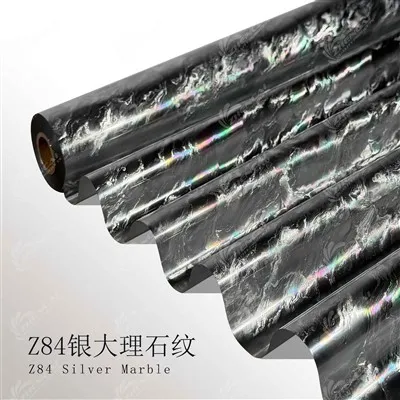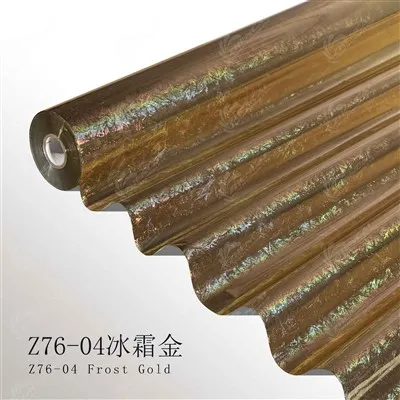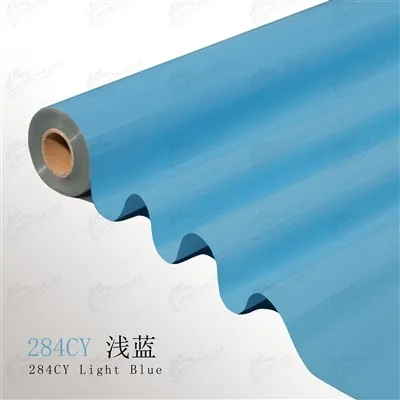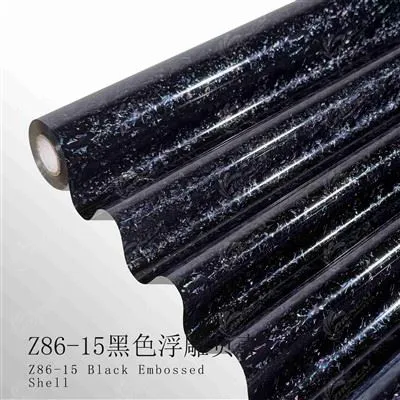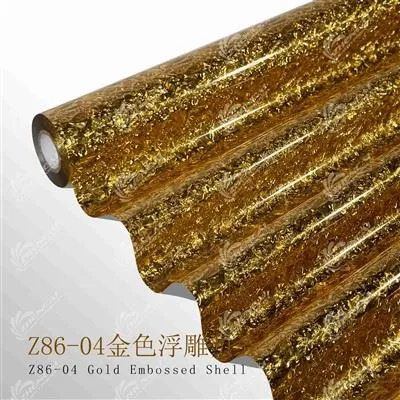




Leather hot stamping foil is used to apply metallic, pigment, matte, holographic, or custom decorative effects onto genuine leather, PU leather, PVC leather, and other synthetic leather materials. It is widely used by wallet manufacturers, handbag factories, footwear producers, belt makers, notebook cover suppliers, and leather goods brands.
Before ordering foil for leather applications, buyers should verify substrate type, surface coating, stamping temperature, adhesion performance, abrasion resistance, flex resistance, and transfer clarity. Sample testing is strongly recommended because different leather materials can respond very differently during hot stamping.
Why Leather Type Matters in Foil Selection
Many foil transfer problems occur because the foil grade does not match the leather surface.
Although PU, PVC, and genuine leather may look similar, their surface chemistry, coating structure, and heat tolerance can vary significantly.
A foil that transfers well on one material may show poor adhesion, incomplete transfer, or cracking on another.
For this reason, professional leather hot stamping foil suppliers typically request substrate samples before recommending a production-grade foil.
Understanding Different Leather Substrates
Genuine Leather
Genuine leather is a natural material with variations in grain, density, coating thickness, and oil content.
Common applications include:
Luxury handbags
Wallets
Belts
Leather journals
Premium packaging accessories
Challenges include:
Uneven surface texture
Variable absorption characteristics
Different finishing coatings
Foil selection often requires testing for adhesion consistency and edge definition.
PU Leather
PU (Polyurethane) leather is widely used because it offers consistent surface quality and lower cost than genuine leather.
Typical applications include:
Fashion handbags
Promotional products
Notebook covers
Gift packaging
Upholstery accessories
PU leather generally provides:
Smooth stamping surfaces
Consistent transfer results
Good detail reproduction
However, soft PU materials may require lower stamping temperatures to avoid surface deformation.
PVC Leather
PVC leather typically has a harder surface and higher resistance to moisture.
Common applications include:
Belts
Industrial accessories
Protective covers
Budget-friendly fashion products
PVC surfaces may require higher temperature ranges and carefully controlled pressure settings to achieve stable foil transfer.
Synthetic Leather
The term synthetic leather can include:
PU-based materials
PVC-based materials
Microfiber leather
Composite leather materials
Because manufacturing formulations vary between suppliers, substrate testing remains the most reliable way to confirm compatibility.
Comparison of Leather Materials for Foil Stamping
| Material | Surface Consistency | Adhesion Difficulty | Heat Resistance | Typical Applications |
|---|---|---|---|---|
| Genuine Leather | Variable | Medium | Medium | Luxury goods, wallets, belts |
| PU Leather | High | Low | Medium | Handbags, notebook covers |
| PVC Leather | High | Medium | High | Belts, industrial products |
| Microfiber Leather | High | Medium | Medium | Premium synthetic products |
| Composite Leather | Variable | Medium to High | Variable | Fashion accessories |
Key Performance Requirements for Leather Hot Stamping Foil
For leather applications, appearance alone is not enough.
The foil must maintain performance throughout manufacturing, shipping, storage, and product use.
Adhesion Performance
Poor adhesion can result in:
Foil peeling
Edge lifting
Partial transfer failure
Testing should include:
Cross-hatch adhesion checks
Tape testing
Manual rubbing evaluation
Different leather coatings often require different foil formulations.
01
Abrasion Resistance
Leather products experience frequent handling.
Examples include:
Wallets entering and leaving pockets
Handbag surfaces contacting clothing
Belt buckles rubbing against foil decorations
Foil should be evaluated for:
Surface wear
Metallic layer retention
Visual durability
02
Flex Resistance
Leather goods continuously bend during use.
This is especially important for:
Wallet folds
Shoe uppers
Handbag handles
Notebook covers
Foil cracking after repeated bending is a common issue when incorrect foil grades are selected.
Sample testing should include flexing and folding evaluations before bulk production.
03
Rub Resistance
Repeated friction can affect foil appearance.
Buyers should evaluate:
Dry rub resistance
Wet rub resistance
Long-term appearance stability
Applications such as footwear and handbags generally require higher rub resistance than decorative packaging accessories.
04
Transfer Clarity and Edge Definition
Fine logos, small text, and decorative lines require clean transfer.
Poor transfer clarity may result from:
Incorrect temperature
Insufficient pressure
Incompatible foil grade
Uneven substrate surface
Buyers producing branded leather goods should pay particular attention to edge sharpness during testing.
05
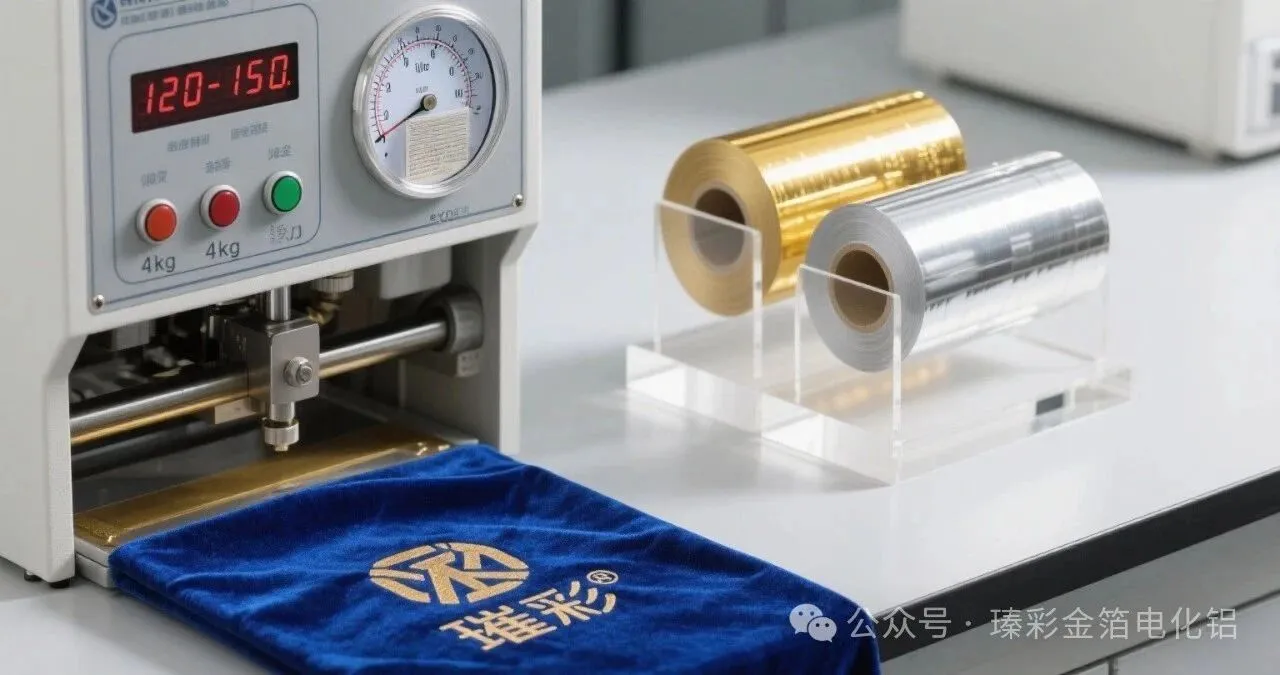
Typical Stamping Parameters for Leather Applications
Actual production settings vary according to equipment, leather type, and foil grade.
The following ranges are used as initial references only.
| Material | Temperature Range | Pressure Requirement | Dwell Time |
| Genuine Leather | 90–130°C | Medium | Short to Medium |
| PU Leather | 80–120°C | Medium | Short |
| PVC Leather | 100–140°C | Medium to High | Medium |
| Microfiber Leather | 90–130°C | Medium | Medium |
Production trials should always determine final settings.
Common Applications of Leather Hot Stamping Foil
Wallet Manufacturing
Foil stamping is commonly used for:
Brand logos
Decorative borders
Product identification
Key requirements include:
Flex resistance
Abrasion resistance
Fine detail transfer
Handbag Production
Handbags often use metallic foil logos and decorative graphics.
Buyers should prioritize:
Adhesion performance
Scratch resistance
Long-term appearance stability
Shoe Upper Decoration
Footwear applications require foil capable of withstanding:
Repeated flexing
Surface friction
Environmental exposure
Testing should simulate actual use conditions whenever possible.
Belt Manufacturing
Belts experience continuous bending and abrasion.
Recommended evaluations include:
Rub resistance testing
Flex testing
Adhesion verification
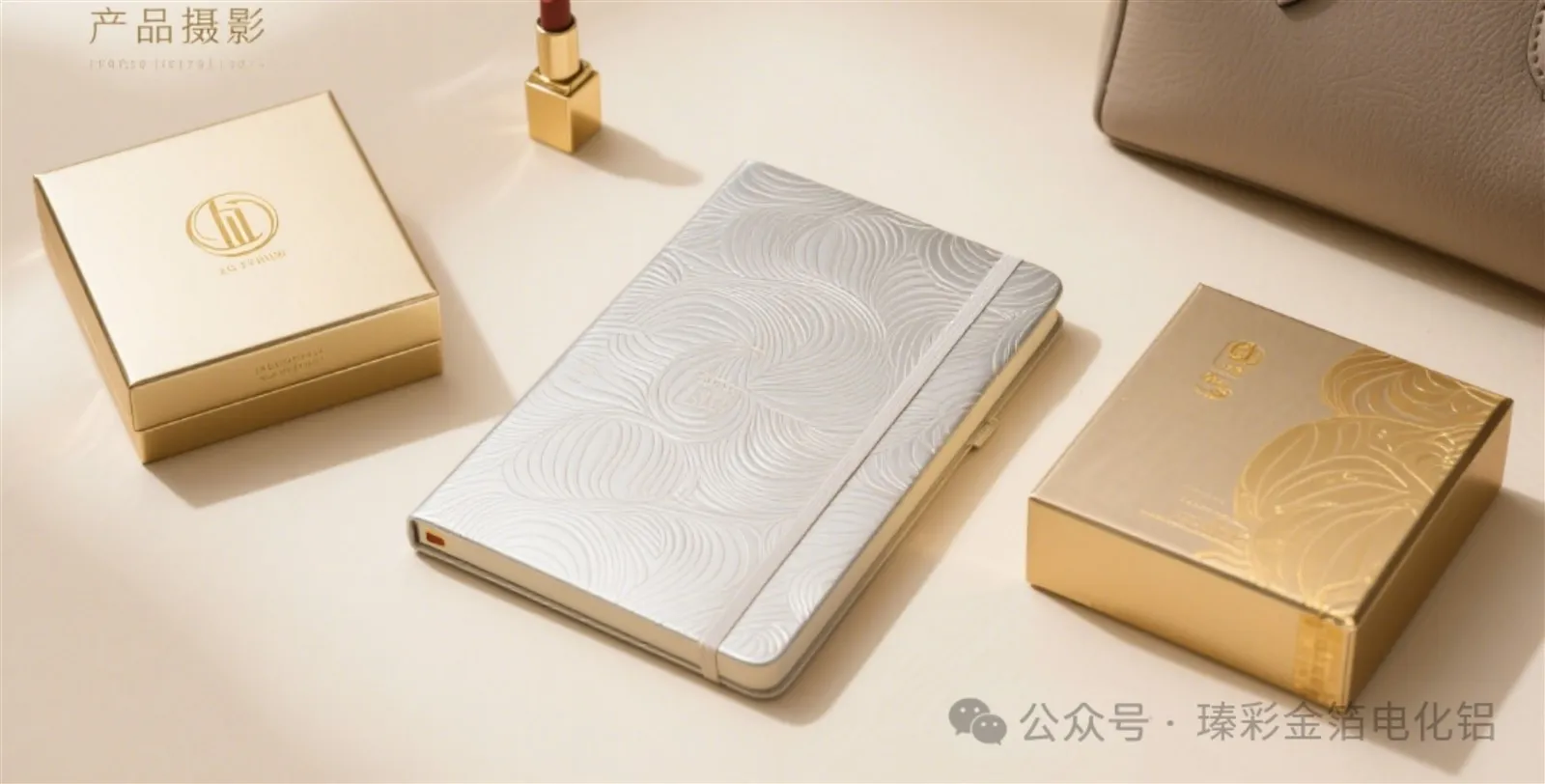
Leather Notebook and Book Covers
Leather covers often require:
Sharp logo reproduction
Uniform metallic appearance
Consistent transfer across large areas
This application typically benefits from stable pressure and temperature control
Metallic Foil vs Pigment Foil for Leather
| Foil Type | Appearance | Common Applications |
| Metallic Foil | Reflective finish | Wallets, handbags, luxury accessories |
| Pigment Foil | Non-metallic color effect | Branding, fashion products |
| Matte Metallic Foil | Reduced reflectivity | Premium leather goods |
| Holographic Foil | Patterned reflective effect | Fashion accessories |
| Security Foil | Customized security patterns | Brand protection applications |
Common Leather Foil Stamping Problems and Solutions
| Problem | Possible Cause | Suggested Action |
| Foil Peeling | Incompatible foil grade | Conduct substrate testing |
| Incomplete Transfer | Low temperature or pressure | Optimize process settings |
| Blurred Edges | Excessive pressure | Reduce pressure |
| Foil Cracking | Poor flex resistance | Select flexible foil grade |
| Color Variation | Batch inconsistency | Approve production samples |
| Surface Damage | Excessive heat | Lower stamping temperature |
| Uneven Metallic Effect | Leather texture variation | Adjust artwork and settings |
Information Buyers Should Provide Before Requesting Samples or Quotation
Providing complete technical information helps manufacturers recommend the correct foil grade faster.
| Required Information | Purpose |
| Leather Type | Determines foil compatibility |
| Surface Finish | Identifies coating characteristics |
| Application | Defines performance requirements |
| Logo Size | Evaluates transfer detail needs |
| Foil Color | Product selection |
| Roll Width | Machine matching |
| Roll Length | Cost calculation |
| Core Size | Equipment compatibility |
| Estimated Quantity | Production planning |
| Sample Requirement | Testing preparation |
How to Evaluate a Leather Hot Stamping Foil Supplier
Whether sourcing from a manufacturer, factory, distributor, or China supplier, buyers should evaluate more than price.
| Evaluation Factor | Importance |
| Leather Application Experience | Better technical recommendations |
| Sample Testing Support | Reduces production risk |
| Custom Foil Capability | Supports branding requirements |
| Production Consistency | Stable bulk order quality |
| Lead Time Control | Production scheduling |
| OEM Capability | Private label projects |
| Technical Support | Faster troubleshooting |
| Export Experience | International supply reliability |
For buyers comparing foil grades, reviewing a dedicated Leather Foil product category can help narrow material options before requesting samples.
Sample Testing Checklist Before Bulk Production
Before approving a bulk order, evaluate:
| Test Item | Verification Method |
| Adhesion | Tape test |
| Transfer Clarity | Visual inspection |
| Edge Definition | Fine-detail inspection |
| Flex Resistance | Folding test |
| Abrasion Resistance | Surface wear test |
| Rub Resistance | Dry and wet rubbing |
| Color Consistency | Batch comparison |
| Production Stability | Pilot production run |
Sample approval helps reduce waste, machine downtime, and quality complaints during mass production.
fAQ
Lorem ipsum dolor sit amet consectetur adipisicing elit.
Q:1.Can leather hot stamping foil be used on both genuine leather and PU leather?
A:Yes, but different foil grades may be required. Sample testing should be performed on the actual substrate before production.
Q:2.What causes foil peeling on leather products?
A:Common causes include incorrect foil selection, unsuitable temperature settings, insufficient pressure, and incompatible surface coatings.
Q:3.Can I order custom foil colors for leather goods?
A:Many manufacturers offer custom metallic colors, pigment colors, matte finishes, and Pantone-matched foil solutions subject to MOQ requirements.
Q:4.What information should I provide for quotation?
A:Provide substrate type, application, artwork requirements, foil color, roll width, roll length, core size, and estimated quantity.
Q:5.What is the MOQ for leather hot stamping foil?
A:MOQ varies according to foil type, stock availability, and customization requirements. Custom colors and patterns generally require higher minimum quantities.
Q:6.How do I know whether the foil is suitable for my leather material?
A:The most reliable method is sample testing using actual production materials and equipment settings.
Request Technical Recommendations or Samples
If you are evaluating leather hot stamping foil for PU leather, PVC leather, genuine leather, or synthetic leather products, provide the following information when contacting ZC Gold Foil:
Leather type
Surface finish or coating information
Product application
Required foil color or effect
Roll width
Roll length
Core size
Estimated annual quantity
Current production issue, if any
Sample testing requirements
With complete project information, the technical team can recommend suitable foil grades, arrange sample testing, and help verify compatibility before bulk production.