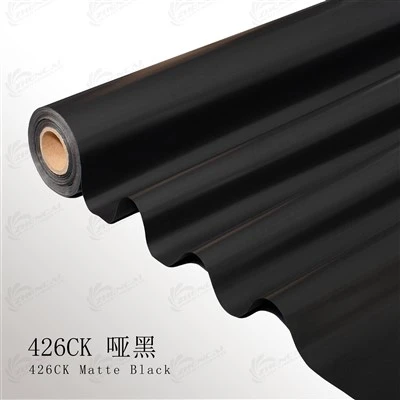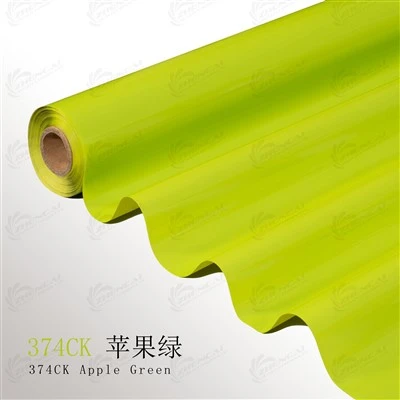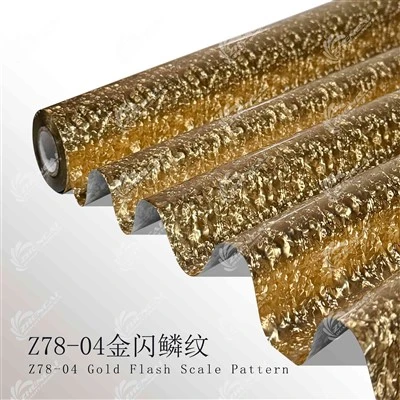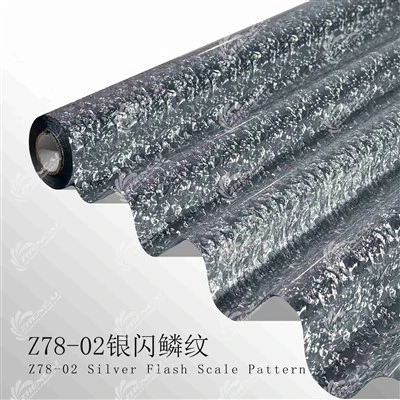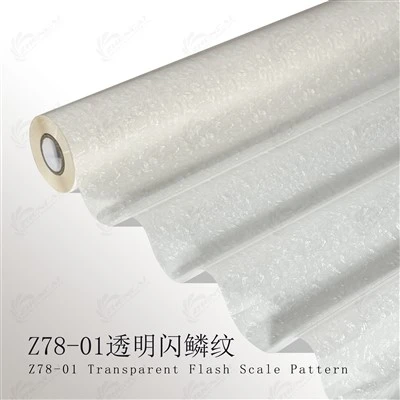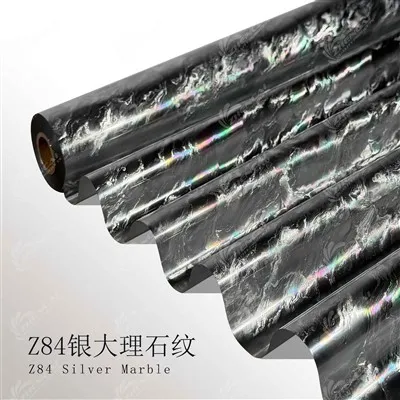




Plastic Hot Stamping Foil for ABS, PVC, Acrylic and PS Products
Plastic hot stamping foil is designed for decorative and functional marking on molded plastic parts. It is widely used by cosmetic packaging manufacturers, consumer electronics suppliers, stationery producers, gift packaging factories, and plastic component manufacturers.
Before ordering samples or placing a bulk order, buyers should verify substrate compatibility, adhesion performance, scratch resistance, abrasion resistance, transfer clarity, and production temperature settings. Plastic materials respond differently to heat and pressure, so sample testing on the actual production substrate is recommended.
Common Applications of Plastic Hot Stamping Foil
Plastic hot stamping foil is used when manufacturers need metallic, pigment, holographic, matte, or decorative finishes directly on plastic surfaces.
Typical applications include:
- Cosmetic bottle caps
- Perfume caps
- Cosmetic containers
- Mobile phone cases
- Earphone charging cases
- Plastic gift boxes
- Plastic stationery products
- Plastic packaging components
- Household appliance panels
- Promotional plastic products
- Electronic housings
- Decorative trims and badges
For projects involving molded plastic decoration, buyers often review a dedicated Plastic Foil category to identify suitable foil grades based on material type and production requirements.
Why Plastic Material Selection Matters
Unlike paper or leather, plastics have significantly different surface energies, heat resistance levels, and molding characteristics.
A foil grade that transfers successfully onto ABS may not achieve acceptable adhesion on PET or acrylic.
The first step in foil selection is identifying the exact substrate.
Plastic Substrate Compatibility Overview
| Plastic Material | Typical Applications | Main Evaluation Points |
|---|---|---|
| ABS | Cosmetic caps, electronics housings | Adhesion, scratch resistance |
| PVC | Packaging, decorative components | Temperature control, transfer clarity |
| Acrylic (PMMA) | Display products, luxury packaging | Surface protection, edge definition |
| PS (Polystyrene) | Stationery, promotional items | Heat sensitivity, transfer consistency |
| PET | Packaging components, containers | Adhesion, abrasion resistance |
| PC | Electronic products | Heat resistance, appearance retention |
| PP | Industrial and consumer products | Surface treatment requirements |
ABS Plastic: One of the Most Common Applications
ABS is widely used because it combines dimensional stability, surface quality, and processing flexibility.
Many decorative plastic components use ABS as the base material, including:
- Perfume caps
- Cosmetic packaging
- Mobile phone accessories
- Household appliance trims
- Automotive interior decorative parts
When selecting foil for ABS plastic, buyers typically focus on:
- Adhesion strength
- Edge definition
- Scratch resistance
- Abrasion performance
- Production stability
Fine logos, small text, and decorative patterns generally require consistent transfer release and stable machine parameters.
ABS Testing Checklist
| Test Item | Purpose |
| Adhesion test | Verify bonding performance |
| Cross-hatch test | Check coating retention |
| Scratch test | Evaluate surface durability |
| Abrasion test | Assess wear resistance |
| Environmental exposure | Review long-term appearance |
| Production trial | Confirm transfer consistency |
PVC Applications and Process Considerations
PVC is frequently used for packaging, decorative trims, and industrial products.
Compared with ABS, PVC may respond differently to stamping temperatures.
Important considerations include:
- Transfer temperature control
- Surface softness
- Transfer clarity
- Edge sharpness
- Color stability
Excessive heat may affect the appearance of some PVC products.
For this reason, buyers should test transfer conditions carefully before mass production.
Acrylic (PMMA): Focus on Surface Appearance
Acrylic is often selected for premium packaging, display products, and decorative components because of its transparency and visual clarity.
However, acrylic surfaces can be sensitive to excessive heat and pressure.
When working with acrylic products, buyers should evaluate:
- Surface distortion risk
- Transfer precision
- Fine-detail reproduction
- Scratch resistance
- Appearance consistency
This is particularly important for luxury cosmetic packaging and high-visibility retail products.
PS (Polystyrene): Managing Heat Sensitivity
PS is commonly found in:
- Promotional products
- Disposable packaging components
- Stationery items
- Gift packaging accessories
Polystyrene generally requires careful process control because overheating may affect the substrate surface.
Recommended evaluation areas include:
- Transfer temperature
- Dwell time
- Pressure settings
- Edge definition
- Adhesion consistency
Sample testing is especially important when production involves thin-wall molded components.
PET and Other Engineering Plastics
PET is increasingly used in packaging and consumer products.
Although PET offers good dimensional stability, foil compatibility can vary depending on:
- Surface treatment
- Manufacturing process
- Additives
- Product design
Buyers should verify:
- Adhesion performance
- Abrasion resistance
- Color retention
- Environmental durability
For specialized projects, a foil manufacturer may recommend different foil constructions based on the exact PET formulation.
Adhesion: The Most Important Performance Indicator
For plastic decoration projects, adhesion is often the first technical requirement buyers evaluate.
Poor adhesion may result in:
- Foil peeling
- Edge lifting
- Transfer failure
- Reduced product lifespan
Common Adhesion Problems and Solutions
| Problem | Possible Cause | Suggested Action |
| Foil peeling | Incorrect foil grade | Test substrate-specific foil |
| Incomplete transfer | Insufficient temperature | Optimize transfer conditions |
| Edge lifting | Surface contamination | Improve surface preparation |
| Poor bonding | Material mismatch | Conduct compatibility testing |
| Inconsistent results | Process variation | Standardize machine settings |
Scratch Resistance and Abrasion Resistance
Many plastic products experience frequent handling during transportation and daily use.
Examples include:
- Perfume caps
- Cosmetic lids
- Mobile phone cases
- Consumer electronics housings
- Promotional gifts
For these applications, buyers should evaluate:
- Dry scratch resistance
- Wet abrasion resistance
- Surface wear performance
- Appearance retention after handling
Decorative appearance alone should not determine material selection. Long-term durability must also be considered.
Temperature, Pressure, and Dwell Time
Successful foil transfer depends on balancing process parameters.
The exact values vary according to:
- Plastic material
- Foil construction
- Machine type
- Design complexity
Before bulk production, buyers should establish production parameters through controlled testing.
Process Factors Affecting Transfer Quality
| Process Factor | Influence |
| Temperature | Adhesion and release |
| Pressure | Transfer completeness |
| Dwell Time | Detail reproduction |
| Die Condition | Edge clarity |
| Surface Cleanliness | Bonding quality |
| Material Consistency | Production stability |
Metallic Foil vs Pigment Foil vs Holographic Foil
Different decorative objectives require different foil technologies.
| Foil Type | Visual Effect | Typical Plastic Applications |
| Metallic Foil | Reflective metallic finish | Cosmetic caps, electronics |
| Pigment Foil | Solid color decoration | Packaging, stationery |
| Holographic Foil | Dynamic optical effects | Promotional products, gifts |
| Matte Foil | Low-reflection appearance | Premium packaging |
| Security Foil | Anti-counterfeit features | Brand protection products |
For buyers comparing decorative options, related categories such as custom Pantone metallic foil, security hologram foil, and hot stamping foil for packaging may provide additional guidance.
Information Required Before Requesting a Quotation
Providing complete project information allows a supplier or factory to recommend suitable materials and prepare accurate samples.
| Information | Why It Is Needed |
| Plastic material | Determines compatibility |
| Product application | Guides foil selection |
| Required color/effect | Defines specification |
| Artwork details | Evaluates transfer complexity |
| Roll width | Determines production planning |
| Roll length | Affects quotation |
| Core size | Ensures machine compatibility |
| Estimated quantity | Supports MOQ calculation |
| Sample requirement | Enables technical evaluation |
How to Evaluate a Plastic Foil Manufacturer
When selecting a supplier, price should not be the only consideration.
A qualified manufacturer should support:
| Evaluation Area | Importance |
| Sample availability | Material verification |
| Technical matching support | Faster development |
| Stable production batches | Consistent quality |
| OEM capability | Custom projects |
| Custom color matching | Brand requirements |
| Lead time management | Supply planning |
| Bulk order experience | Production stability |
Many importers, distributors, wholesalers, and packaging manufacturers prefer working directly with a factory or experienced China supplier because technical communication is often more efficient during product development.
Internal Resources for Further Selection
Depending on your application, buyers may also review:
- Plastic Foil
- Hot Stamping Foil for Packaging
- Custom Pantone Metallic Foil
- Security Hologram Foil
- Cold Foil for Labels
- Digital Foil for Short-Run Printing
These resources can help compare decorative options, evaluate substrate compatibility, and support sample testing decisions.
FAQ
Can I get samples before placing a bulk order?
Yes. Sample testing is recommended to verify adhesion, scratch resistance, transfer clarity, and compatibility with your specific plastic material.
What information should I provide for quotation?
Provide substrate type, product application, required color or effect, roll width, roll length, core size, estimated quantity, and sample testing requirements.
Can foil colors and patterns be customized?
Many suppliers offer custom metallic colors, pigment colors, holographic designs, and OEM decorative patterns subject to MOQ requirements.
What causes foil peeling on plastic products?
Foil peeling may result from substrate incompatibility, insufficient transfer temperature, surface contamination, or incorrect foil selection.
What roll widths, roll lengths, and core sizes are available?
Specifications vary by manufacturer. Buyers should provide machine requirements before requesting samples or quotations.
How long is the lead time for custom foil production?
Lead time depends on color matching, pattern customization, order quantity, and production scheduling. Confirm lead time during quotation.
Request Samples or Technical Evaluation
If you are sourcing plastic hot stamping foil for ABS, PVC, acrylic, PS, PET, or other molded plastic products, please provide:
- Plastic material type
- Product application
- Required color or decorative effect
- Roll width
- Roll length
- Core size
- Estimated annual quantity
- Current production problem, if any
- Sample testing requirement
Providing complete technical information allows the ZC Gold Foil team to recommend suitable foil grades, arrange sample testing, and support stable production before bulk ordering.