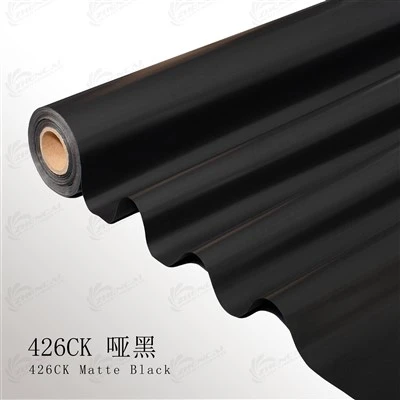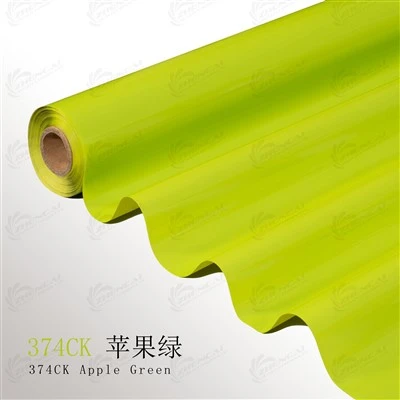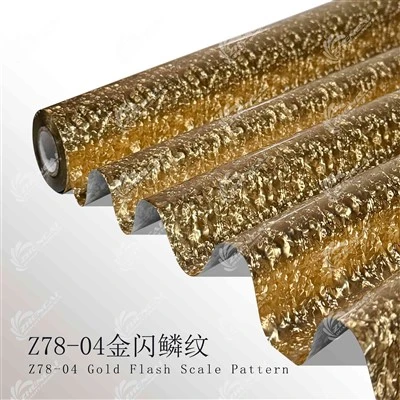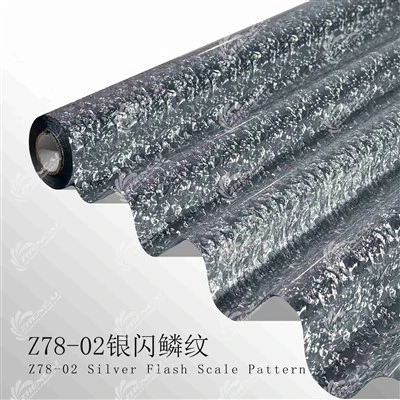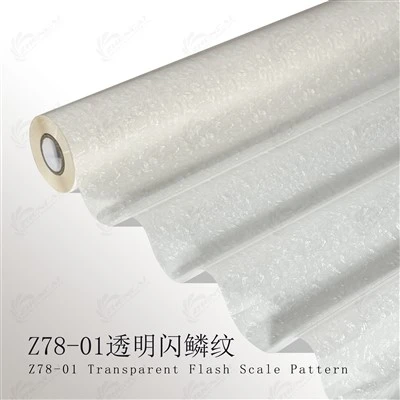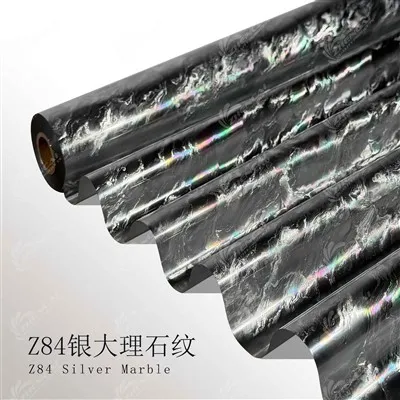




Textile Foil for Cotton, Nylon and Fashion Fabrics
Textile foil for fabric is a transfer foil designed for garment decoration, branding, and textile surface enhancement. It is widely used by apparel manufacturers, garment printing factories, fashion brands, home textile suppliers, and promotional product producers.
Before placing a bulk order, buyers should verify fabric compatibility, wash durability, stretch performance, rubbing resistance, transfer conditions, and the expected hand feel after foil application. Sample testing on actual production materials is strongly recommended.
Where Is Fabric Hot Stamping Foil Used?
Fabric hot stamping foil is used across a wide range of textile products where visual impact, brand recognition, or decorative effects are required.
Common applications include:
T-shirts and fashion apparel
Hoodies and sportswear
Caps and promotional garments
Ribbon and gift textile decoration
Handbags and fashion accessories
Home textile products
Decorative cushions and pillow covers
Textile labels and patches
Footwear upper decoration
Performance and stage costumes
Different applications require different foil constructions. A foil suitable for a cotton T-shirt may not perform well on nylon sportswear or stretch fabrics.
For buyers evaluating materials, reviewing a dedicated Fabric Foil category can help narrow down suitable options based on substrate type and production process.

Fabric Compatibility Guide
Different fabrics react differently during hot stamping.
The table below summarizes common textile substrates and the main testing points buyers should evaluate before production.
Fabric Type | Typical Applications | Main Testing Focus |
|---|---|---|
Cotton | T-shirts, hoodies, casual wear | Wash resistance, hand feel, adhesion |
Polyester | Sportswear, uniforms, activewear | Heat resistance, color migration, adhesion |
Nylon | Jackets, bags, outdoor products | Transfer temperature, surface energy, durability |
Silk | Fashion accessories, scarves | Low-temperature transfer, surface protection |
Blended Fabrics | Fashion garments, uniforms | Consistent transfer across mixed fibers |
Stretch Fabrics | Sportswear, leggings | Stretch recovery, crack resistance |
Ribbon | Gift packaging, decoration | Edge definition, transfer consistency |
Cotton Fabrics: Focus on Wash Durability

Cotton remains one of the most common substrates for fabric foil decoration.
For cotton applications, buyers typically evaluate:
Adhesion after repeated washing
Edge definition of logos and fine text
Surface cracking after garment stretching
Fabric softness after transfer
Resistance to peeling at garment seams
A foil that performs well immediately after transfer may show problems after laundering. Production testing should include multiple wash cycles that reflect the end-use environment.
Common Cotton Fabric Issues
| Problem | Possible Cause | Recommended Action |
| Foil peeling after washing | Insufficient adhesion | Test alternative foil grade |
| Cracking on printed area | Low flexibility | Use textile-specific foil |
| Rough hand feel | Thick transfer layer | Evaluate softer foil construction |
| Missing details | Excessive temperature | Optimize stamping conditions |

Nylon Fabrics: Pay Attention to Heat Sensitivity
Nylon is frequently used for outdoor products, bags, jackets, and technical garments.
Compared with cotton, nylon requires more attention during process development because excessive heat may damage the substrate.
Buyers should confirm:
Recommended stamping temperature
Dwell time
Pressure requirements
Scratch resistance
Long-term adhesion
Many nylon fabrics contain coatings or water-repellent treatments that can affect foil transfer performance.
Sample testing should always use the actual production fabric rather than relying solely on material specifications.
Polyester and Performance Fabrics
Polyester dominates sportswear production worldwide.
Although polyester generally accepts textile foil well, buyers should evaluate potential color migration when dark fabrics are exposed to elevated temperatures.
Important testing items include:
Heat stability
Color migration resistance
Stretch performance
Abrasion resistance
Appearance after washing
For activewear, foil flexibility often becomes more important than mirror-like appearance.


Silk and Delicate Fashion Fabrics
Silk and lightweight fashion textiles require additional care during foil application.
The objective is not only transfer quality but also preservation of fabric texture.
Key considerations include:
Low transfer temperature
Controlled pressure
Minimal fabric distortion
Soft hand feel
Fine-detail reproduction
Buyers producing luxury accessories or premium fashion items often request sample testing before approving production quantities.
Wash Resistance: One of the Most Important Purchasing Criteria
Wash durability is often the first question raised by garment manufacturers.
Actual performance depends on multiple factors:
Fabric composition
Foil construction
Adhesive system
Transfer parameters
Washing conditions
Instead of relying on generic durability claims, buyers should request sample rolls and perform in-house washing evaluations.

Wash Testing Checklist
| Inspection Item | Evaluation Purpose |
| Initial adhesion | Verify transfer completeness |
| 5 wash cycles | Early durability screening |
| 10 wash cycles | Production-level evaluation |
| Edge lifting inspection | Check peeling tendency |
| Surface appearance | Verify gloss and color retention |
| Fabric flexibility | Assess comfort after washing |
Stretch Performance and Crack Resistance
Fashion garments increasingly use stretch materials.
For these products, transfer flexibility is critical.
Typical applications include:
Sportswear
Yoga apparel
Performance garments
Compression wear
Stretch fashion products
Buyers should test:
Elongation performance
Recovery after stretching
Crack formation
Edge stability
A foil that appears acceptable on flat samples may fail after repeated garment movement.


Abrasion and Rubbing Resistance
Many textile products experience frequent surface contact during use.
Examples include:
Backpack straps
Uniforms
Sports apparel
Fashion accessories
Testing should include:
Dry rubbing
Wet rubbing
Repeated folding
Surface abrasion
The objective is to determine whether the decorative layer maintains appearance throughout the product's service life.
Hand Feel: A Frequently Overlooked Requirement
Visual appearance often receives most attention during sourcing, but garment brands increasingly focus on wearer comfort.
When evaluating fabric hot stamping foil, buyers should consider:
Surface softness
Flexibility
Thickness perception
Breathability impact
Garment comfort
This is particularly important for premium apparel and fashion products.

Textile Foil vs Other Decoration Methods
| Decoration Method | Metallic Effect | Fine Detail | Wash Durability | Production Speed |
| Textile Foil | Excellent | Excellent | Depends on testing | High |
| Screen Printing | Limited | Good | Good | High |
| Heat Transfer Vinyl | Good | Moderate | Good | Moderate |
| Embroidery | No metallic mirror effect | Moderate | Excellent | Lower |
| Direct-to-Garment Printing | Limited metallic effects | Excellent | Good | Moderate |
The best choice depends on design requirements, production volume, substrate type, and finishing expectations.
Information Buyers Should Provide Before Requesting a Quotation
Providing complete technical information helps a manufacturer or supplier recommend suitable foil grades and prepare accurate samples.
| Information Required | Why It Matters |
| Fabric type | Determines foil compatibility |
| Application method | Affects foil selection |
| Transfer equipment | Impacts process matching |
| Required color/effect | Determines foil specification |
| Roll width | Influences quotation |
| Roll length | Influences production planning |
| Core size | Ensures machine compatibility |
| Estimated quantity | Determines MOQ and pricing |
| Sample testing requirement | Supports technical evaluation |
How to Evaluate a Textile Foil Supplier
Selecting a reliable supplier involves more than comparing prices.
A professional textile foil manufacturer should be able to support:
| Evaluation Factor | Importance |
| Sample availability | Verify compatibility |
| Technical support | Assist with troubleshooting |
| Stable batch consistency | Reduce production risk |
| Custom color capability | Support brand requirements |
| Bulk order experience | Improve supply stability |
| Lead time management | Support production schedules |
| OEM capability | Enable custom projects |
Many apparel manufacturers, distributors, importers, and printing material wholesalers prefer working directly with a factory or experienced China supplier to simplify technical communication and sample validation.
Internal Resources for Further Evaluation
Depending on your application, buyers may also review:
Fabric Foil
Hot Stamping Foil for Packaging
Cold Foil for Labels
Digital Foil for Short-Run Printing
Security Hologram Foil
Custom Pantone Metallic Foil
These categories can help compare decoration methods, substrate compatibility, and production requirements before final material selection.
FAQ
Q: Can I get samples before placing a bulk order?
A: Yes. Sample testing is strongly recommended because textile performance varies by fabric composition, finishing treatment, and production conditions.
Q:What information should I provide for an accurate quotation?
A: Provide substrate type, application method, foil color or effect, roll width, roll length, core size, estimated quantity, and any current production issues.
Q:Can textile foil colors be customized?
A: Many manufacturers offer custom metallic colors, pigment colors, and special effects subject to MOQ requirements.
Q: How do I know whether the foil works on my fabric?
A: The most reliable method is sample testing using your actual production fabric and transfer equipment.
Q:What causes foil peeling after washing?
A: Common causes include insufficient adhesion, incorrect transfer parameters, incompatible foil grades, or unsuitable fabric finishes.
Q: What roll widths, roll lengths, and core sizes are available?
A: Availability varies by supplier. Buyers should confirm machine requirements before requesting quotations.
Request Technical Support or Samples
If you are evaluating textile foil for cotton, nylon, polyester, silk, blended fabrics, ribbons, or fashion garments, provide the following information when contacting ZC Gold Foil:
Fabric type
Product application
Required color or visual effect
Roll width
Roll length
Core size
Estimated annual quantity
Current production problem, if any
Sample testing requirement
Providing complete project details helps our technical team recommend suitable foil grades, prepare samples, and support stable production before bulk ordering.